Kids balance bike, trike, or both
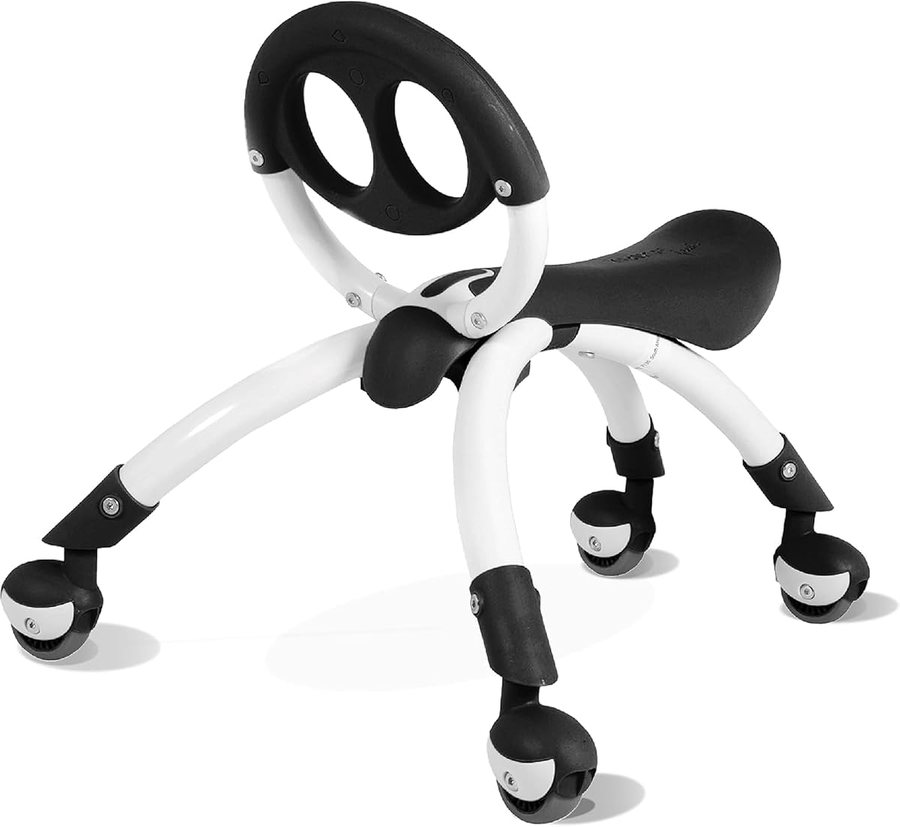
A balance bike and a trike are not competitors. They teach different halves of the same skill, and most kids want both in the same year.
What a kids balance bike teaches
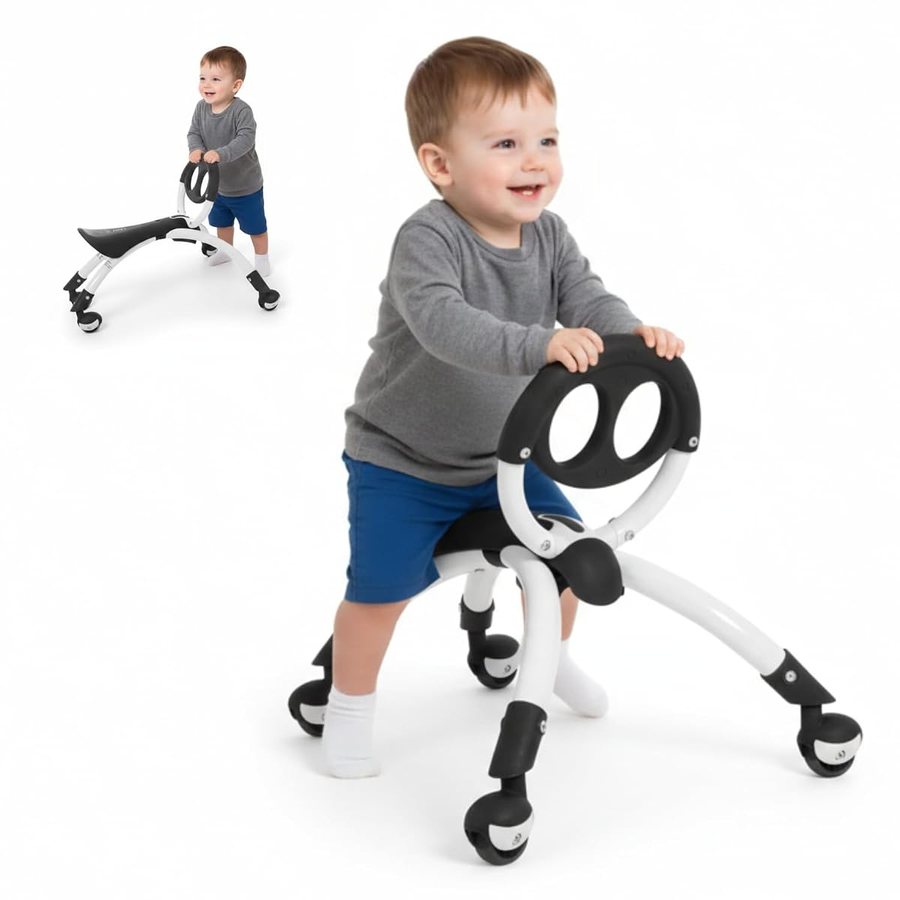
Balance and steering, learned as one motion. The rider leans, the bike turns, and the correction happens below conscious thought within a few weeks. This is the hard half of riding a bicycle and the half that cannot be taught by explanation — you can describe a lean to a four-year-old all afternoon and change nothing.
Learn it at walking pace with both feet near the ground and the transition to a pedal bike becomes a formality. That is the original argument for the whole category and twenty years of riders have not dented it.
- Balance, learned as a reflex rather than as an instruction
- Steering by leaning, which is how every bicycle is actually steered
- Speed control with the feet, which is faster than a lever at this size
- A frame light enough that the child can pick it up and start again
What a trike teaches
Pedaling, leg strength and the idea that turning a handlebar changes where you end up. A trike is stable by design, so there is no balance to learn — which is a feature when the rider is eighteen months old and a limitation when they are four.
The pedaling motion itself is worth having in the bank. It is far less natural than it looks, and children who have pedaled a trike often take to a pedal bike with more confidence even though the balance work still has to happen somewhere. Leg strength arrives the same way: slowly, outdoors, and only by doing it.
Fit and size, on either machine
The test is the same for a balance bike and for a trike. Seat at or just under the inseam on the bike, so both feet land flat; knee softly bent at the far end of the pedal stroke on the trike, so the push comes from the thigh. Measure the child in outdoor shoes rather than guessing from a years-old size chart.
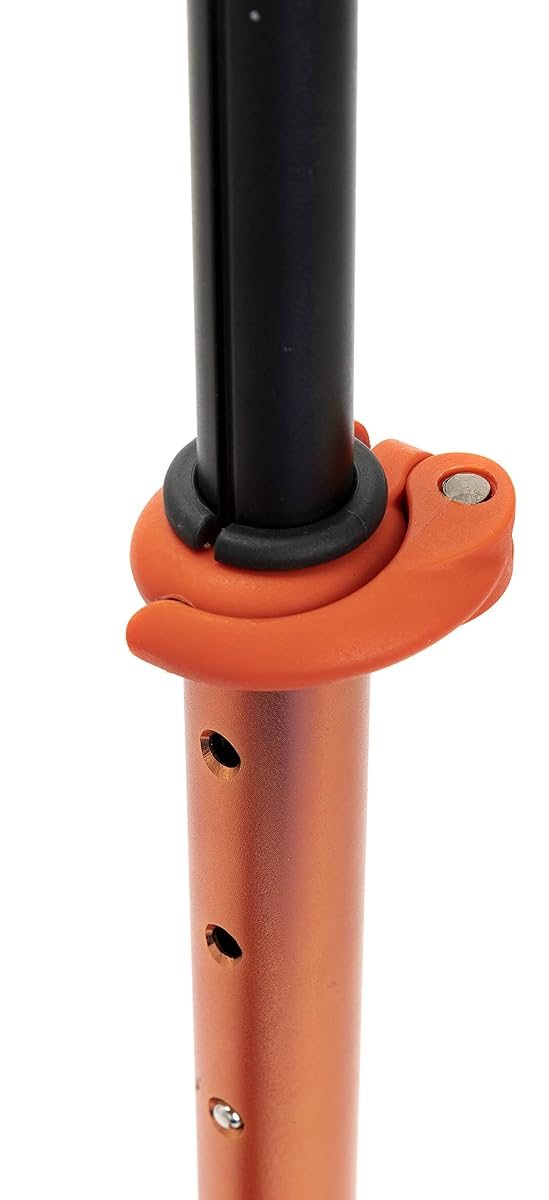
An adjustable seat is worth paying for on either. It is the difference between a frame that fits for one season and one that fits for three, and on an aluminum frame it adds almost nothing to the weight a toddler has to manage.
Why training wheels are the worst of both
A bicycle with training wheels is a heavy, badly balanced trike. The rider learns to pedal while leaning on a stabiliser that will be removed, and crucially learns to steer by turning the handlebars instead of by leaning. On the day the training wheels come off, every instinct they have built is wrong.
That is the summer of falls so many adults remember, and compared with the balance-bike route it is entirely avoidable. We do not make a machine with training wheels and we have no plans to start.
- Training wheels hold the frame upright, so the lean never develops
- They tilt the bike, which makes pedaling harder rather than easier
- Removing them resets the learning to roughly day one
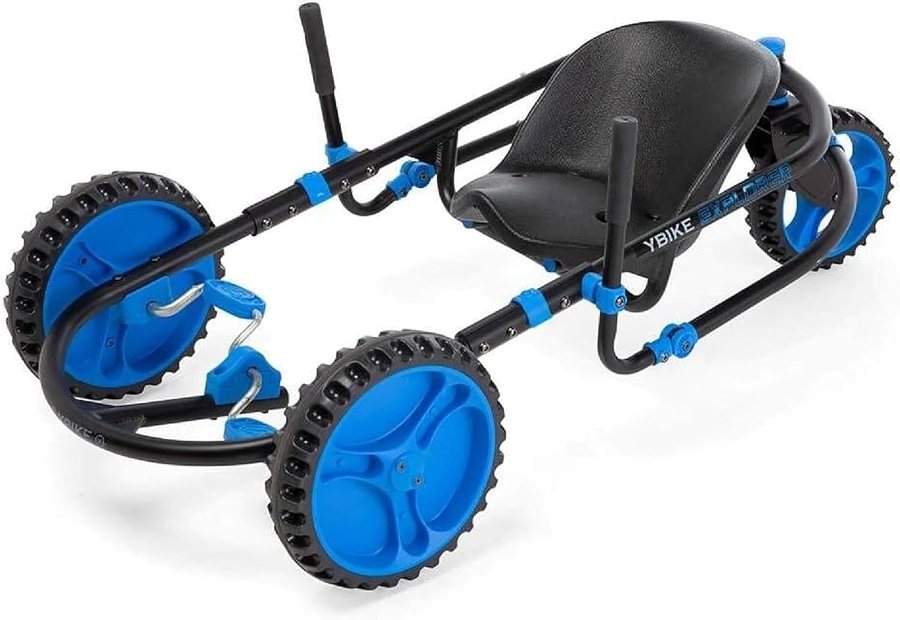
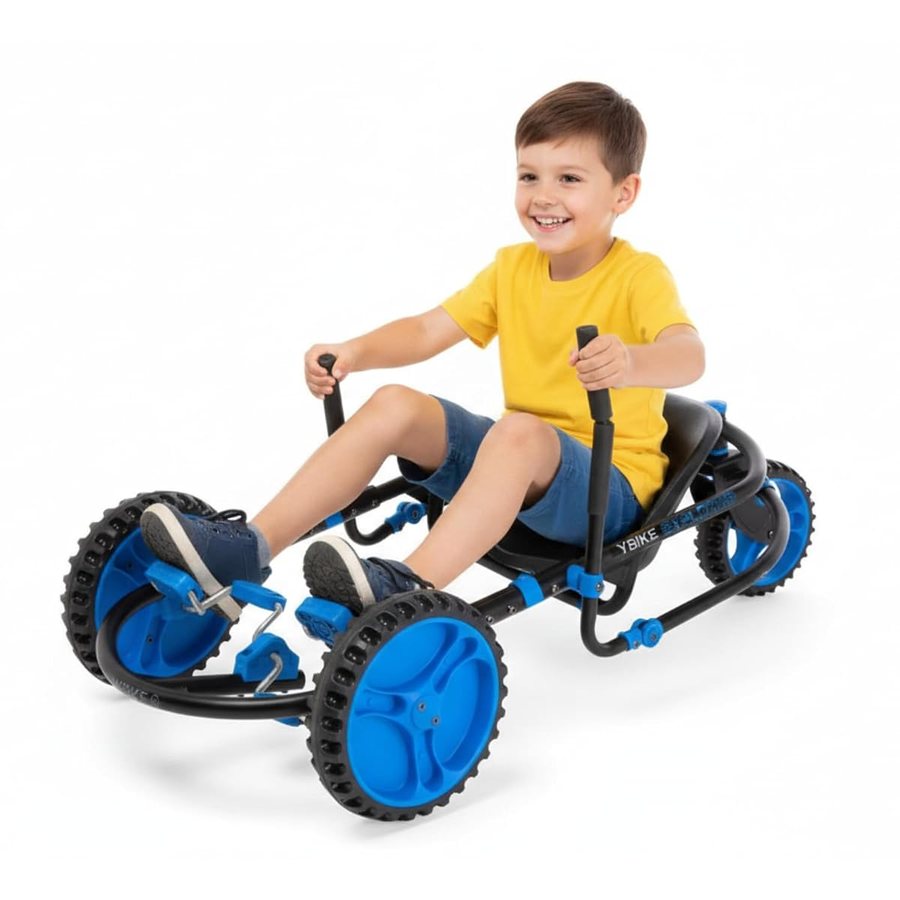
- A balance bike and a pedal kart teach the same two halves without the conflict
The 2-in-1 answer
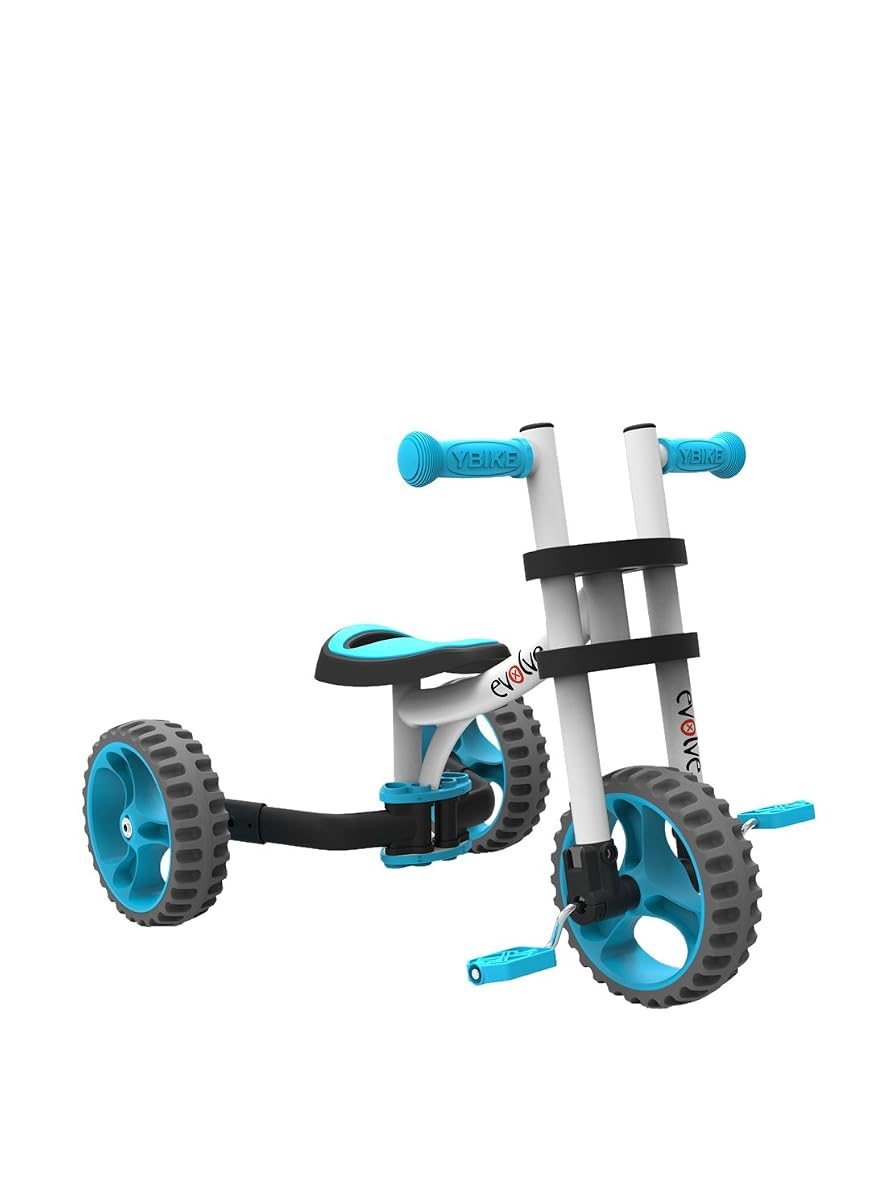
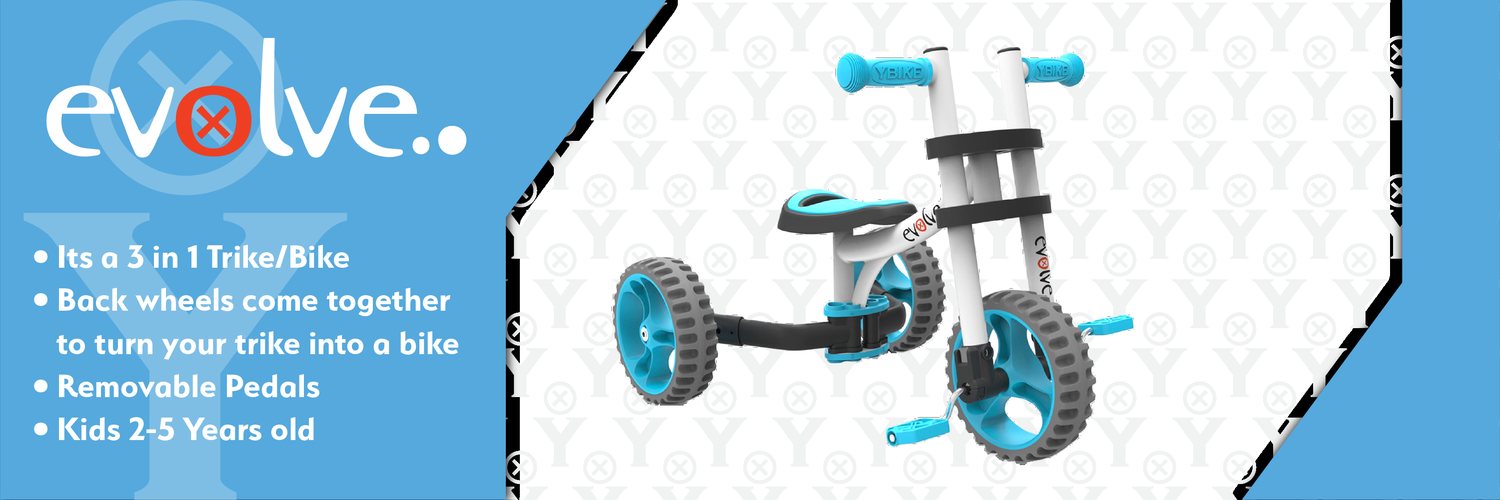
A frame that converts covers both. Set up as a trike with pedals, it does the leg-strength work for a two-year-old. With the pedals off and the rear wheels brought together, the same frame becomes a balance bike for the same child six months later.
The reason to like this is not the saving. It is that the rider decides which skill they feel like practicing, and children are remarkably good at choosing the one they are ready for. Our own Evolve exists because enough parents told us they were buying two machines and storing one of them in the garage.
When a scooter is the right answer instead
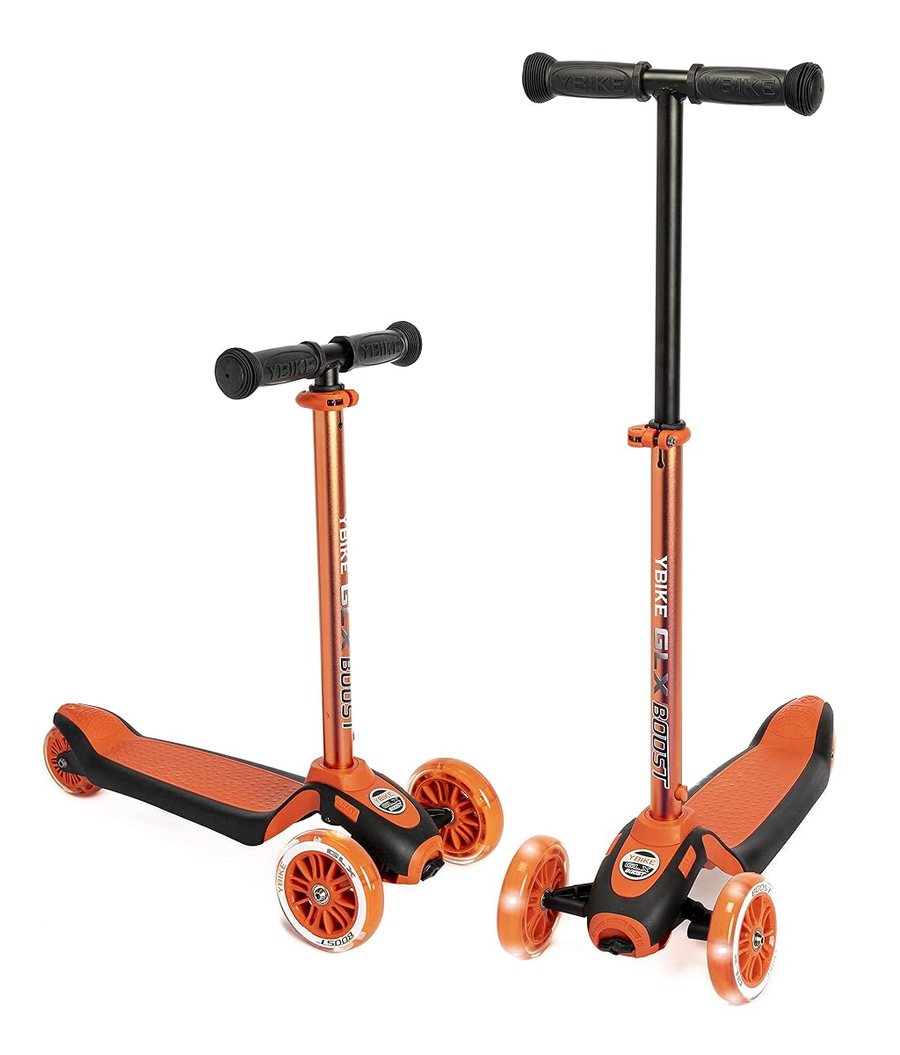
If your child is already confident on two feet and bored of sitting down, a lean-to-steer scooter does the balance work standing up and arrives at the same place. Riders who go balance bike, then scooter, then pedal bike tend to reach the last step earliest, because the lean is the same instinct all the way through.
Whichever order you pick, the safety list does not change: a helmet from the first ride, closed-toe shoes with a flat sole, and a smooth surface away from cars. Everything else is an extra. Start early, keep the machine where the rider can reach it, and let them be bored on a driveway — that is most of the method.