When to start a kids balance bike
Age is the number on the box. Inseam is the number that decides whether the balance bike gets ridden.
Measure the child, not the birthday
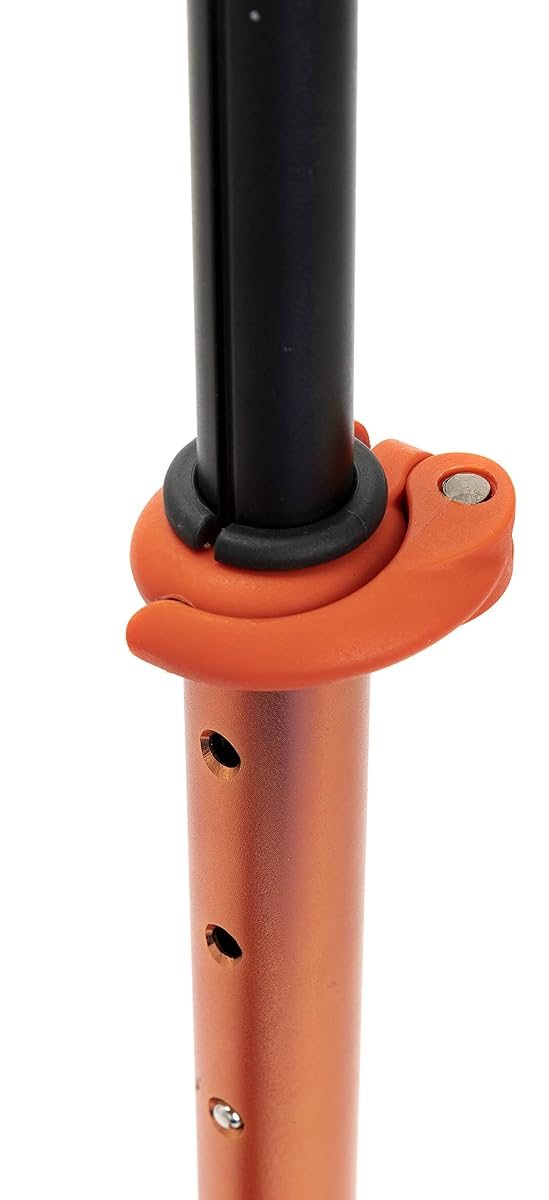
Stand your child against a wall in the shoes they will actually ride in. Measure from the floor to the crotch. That is the inseam, and the seat on a kids balance bike should be able to drop to roughly an inch below it. A rider with both feet flat on the ground will push off hard and recover from a wobble without thinking.
A rider on tiptoe will shuffle, stall and go back indoors, and you will conclude that your child does not like bikes when all they did not like was the seat height. This is the single most common reason a first bike goes unused, and it is entirely a question of size rather than of age or interest.
- Floor-to-crotch in outdoor shoes — that is the number that matters
- Seat at or just under it, so both feet land flat
- An adjustable seat buys a year or two of growing room
- Check the fit again each time the shoes are replaced
The three-week arc
Almost every child follows the same arc and almost every parent worries somewhere in the middle of it. Week one is walking: the bike is a thing you stand over and carry along with your legs. Week two is striding, with longer pushes and the first accidental second of gliding, usually downhill and usually a surprise.
Week three is the glide proper — both feet up, steering with a lean. Nothing you say speeds this up. The only thing that helps is a smooth, slightly sloped surface and the patience to let them be bored on it. Riders typically enjoy week three far more than anyone enjoys week one, which is worth remembering on day four.
Starting early with a walking ride-on
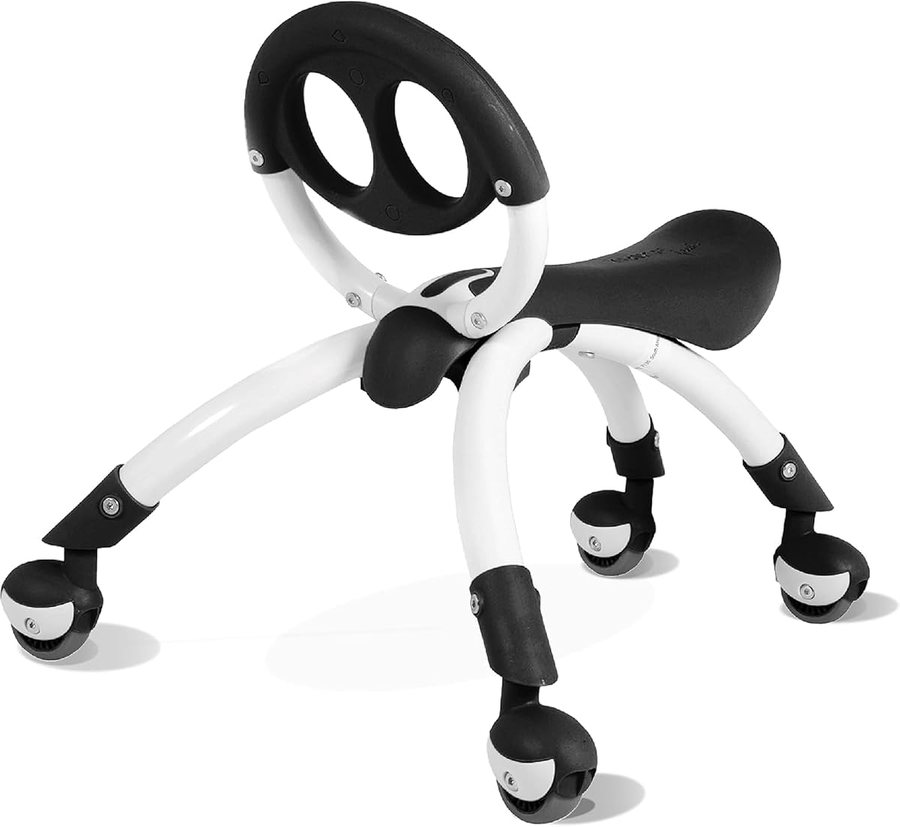
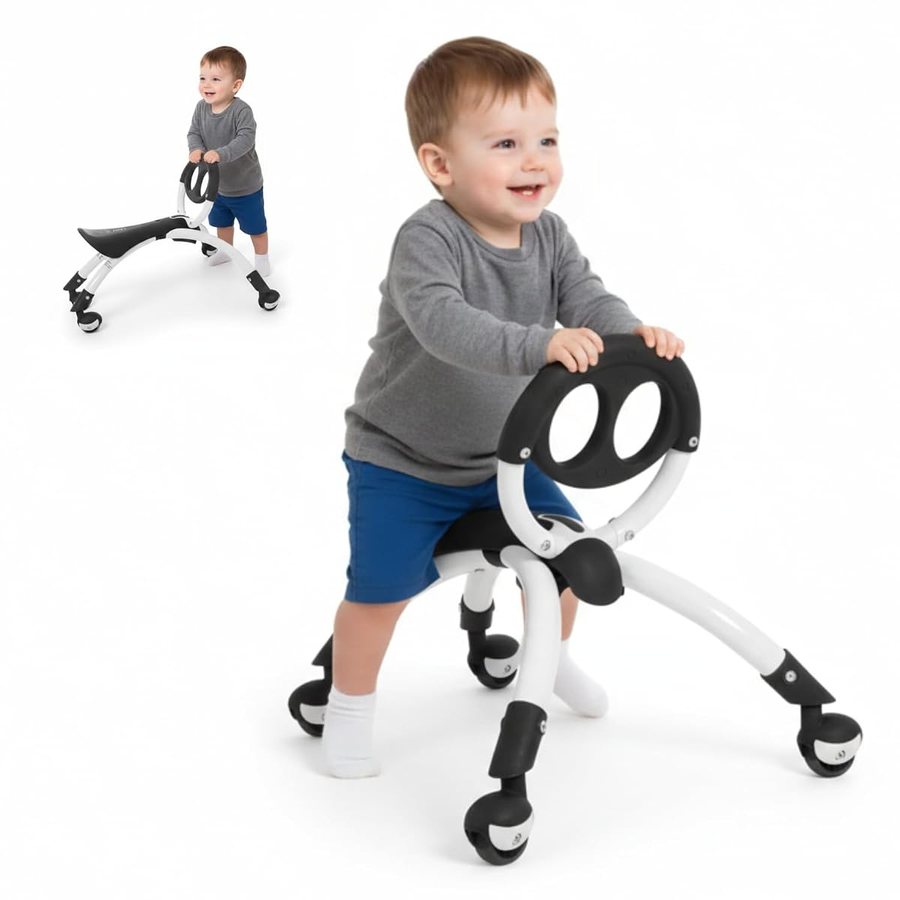
If your child is under eighteen months, a four-wheeled walking ride-on is the better starting point. It never falls over, it can be pushed from behind while they are still cruising along furniture, and it gets sat on the moment they are ready. A baby who can stand with support can usually push one; a baby who can walk can usually ride one.
The transition from four wheels to two is not something you need to manage. A toddler who has spent a year steering a toddler balance toy already understands where the front of a bike goes, already looks where they are going, and already stops with their feet. Only the lean is new.
Starting late, at four or five
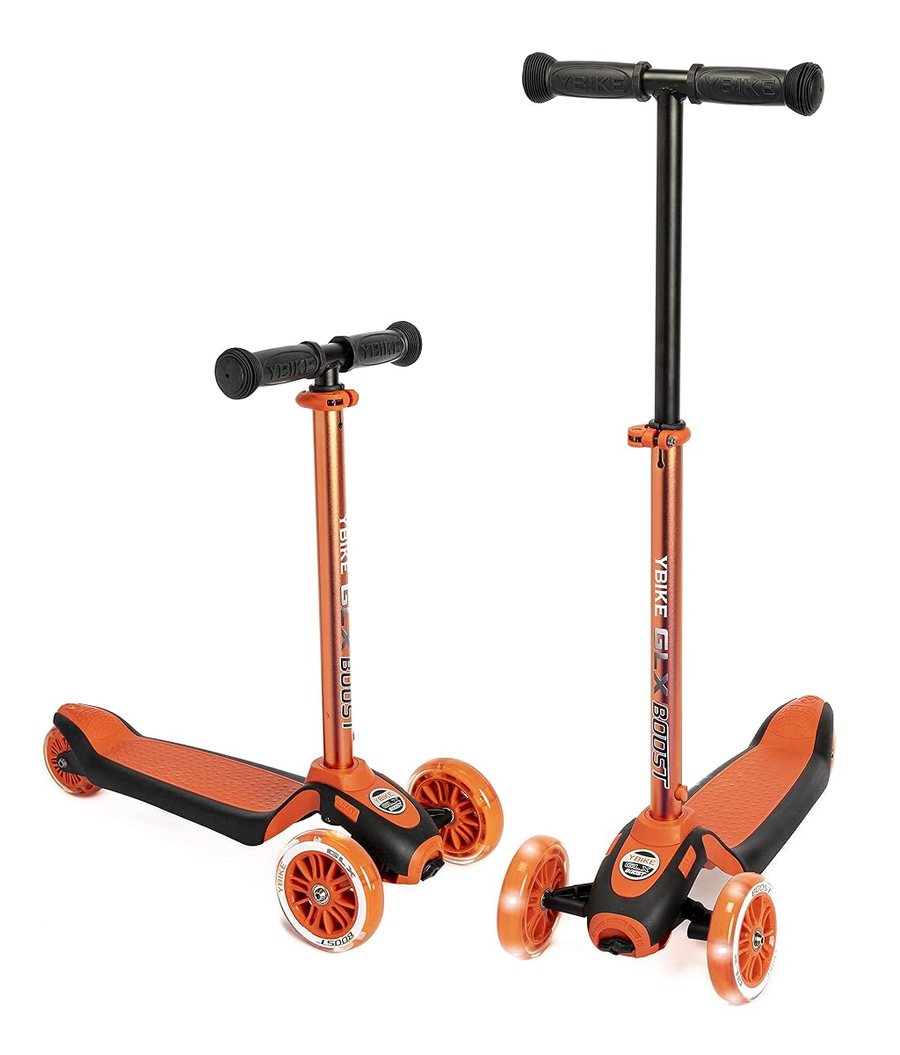
There is no such thing as too late, but the arc compresses. A four-year-old typically moves from walking to gliding inside a single afternoon, because the leg strength and the coordination are already there. For a child this age, consider going straight to a larger frame — or to a scooter, where the lean-to-steer instinct is the same and the learning curve is even shorter.
Older riders also tend to be more self-conscious, which is the real reason to skip the smallest sizes. A bike that is visibly a baby's bike gets ridden once. A frame that fits a five-year-old and carries a grown-up's worth of performance gets ridden until it wears out.
Why we would skip training wheels
A bicycle on training wheels is a heavy, badly balanced trike. The rider learns to pedal while leaning on a stabiliser that will eventually be removed, and learns to steer by turning the handlebars instead of by leaning. On the day the training wheels come off, every instinct they have built is the wrong one.
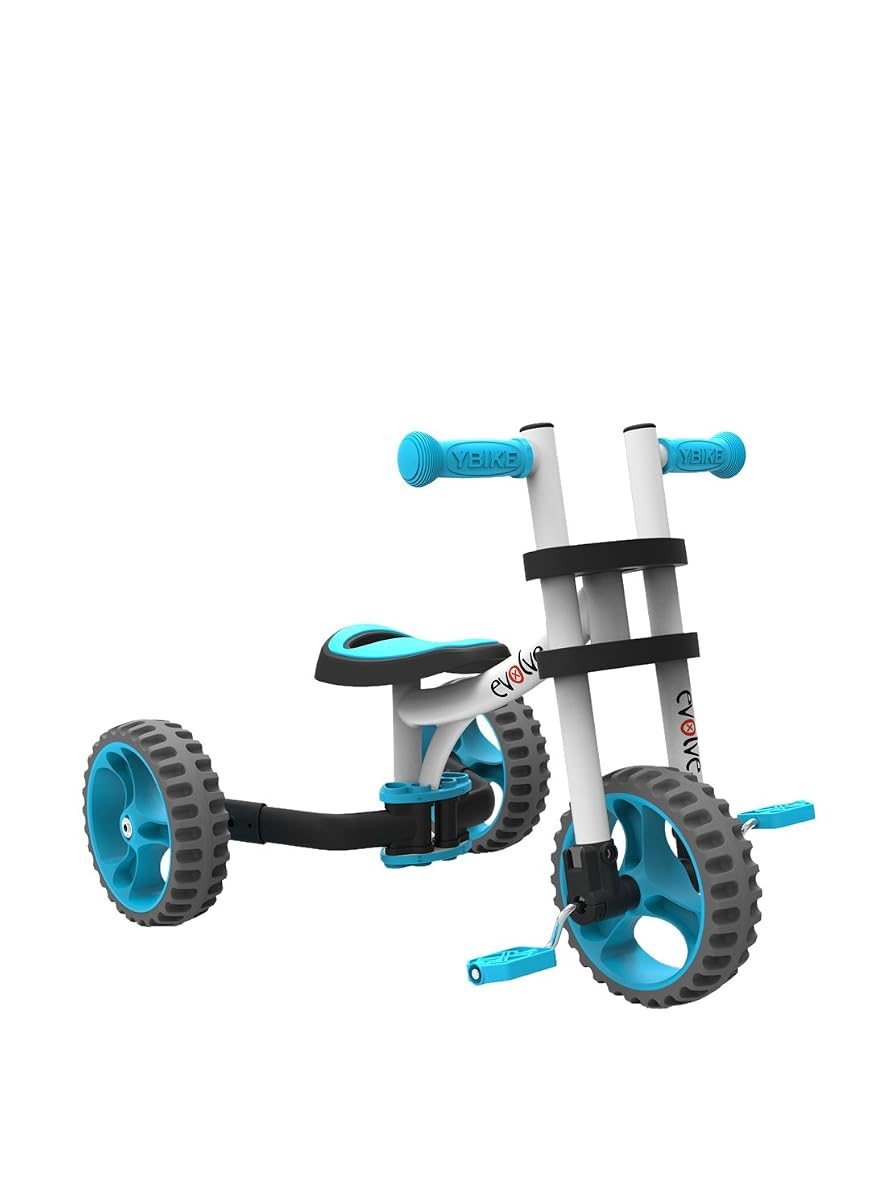
Compared with that, the balance-bike route is shorter and much less dramatic. Balance first, pedaling second, and the two never fight each other. This is not an original observation — most cycling experts have been saying it for twenty years — but it is still the single most useful thing we can tell a parent choosing a first bike.
- Balance bike, then pedal bike — the lean transfers directly
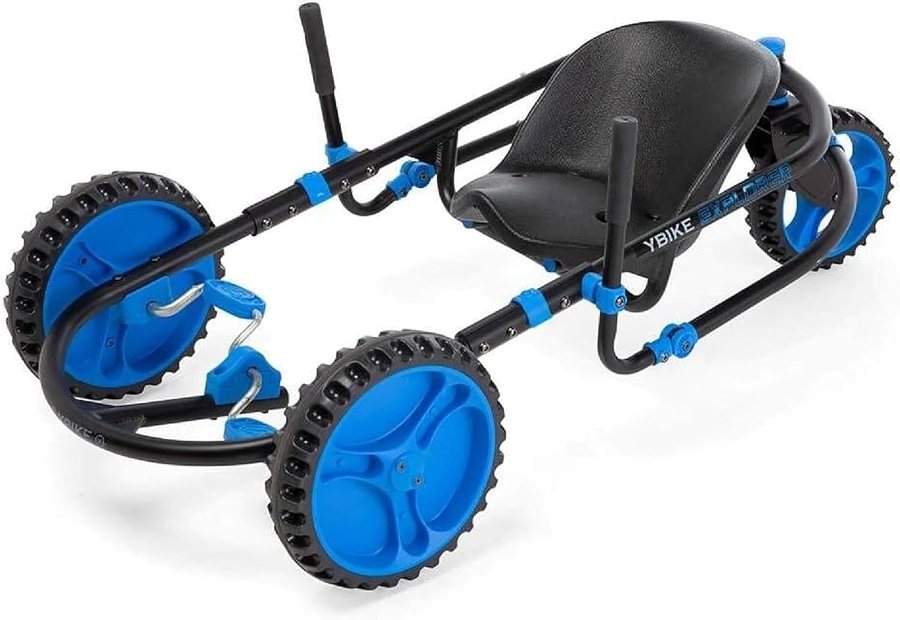
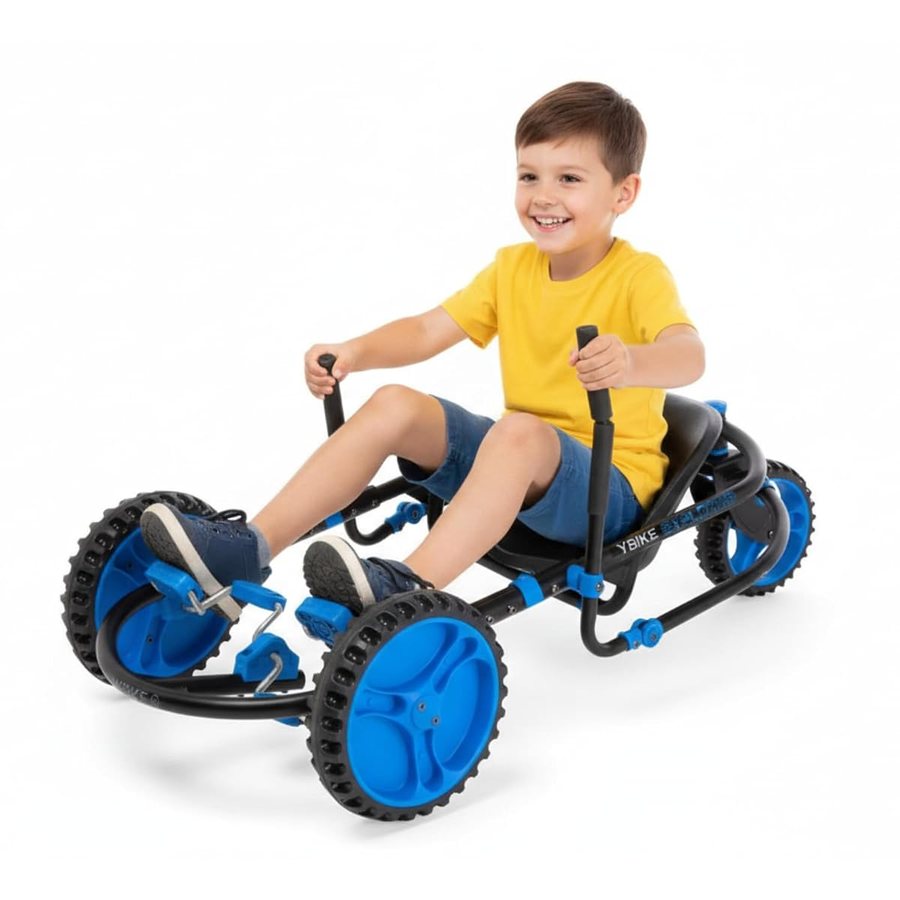
- Trike or pedal kart alongside, for leg strength and control
- Training wheels teach a habit that has to be unlearned later
- No brake needed at this age: feet are faster than a lever
What the first bike does not need
It does not need a brake. At balance-bike speeds, feet are faster and more reliable than a lever a toddler has to remember. It does not need suspension, gears or a kickstand. It needs a seat at the right height, wheels that roll, and a durable aluminum frame light enough to be picked up by the person riding it.
It does need a helmet, from the first ride, indoors and out. That is the whole safety list for the first year and it is the only item on it we would call non-negotiable. Everything else — gloves, pads, bells, a bag on the handlebars — is an extra, and extras are a matter of taste.