Helmets, shoes and driveway rules for a kids balance bike
Two pieces of kit and four sentences of rules. Everything else on a balance bike safety checklist is optional once these are in place.
Fitting a helmet so it stays on
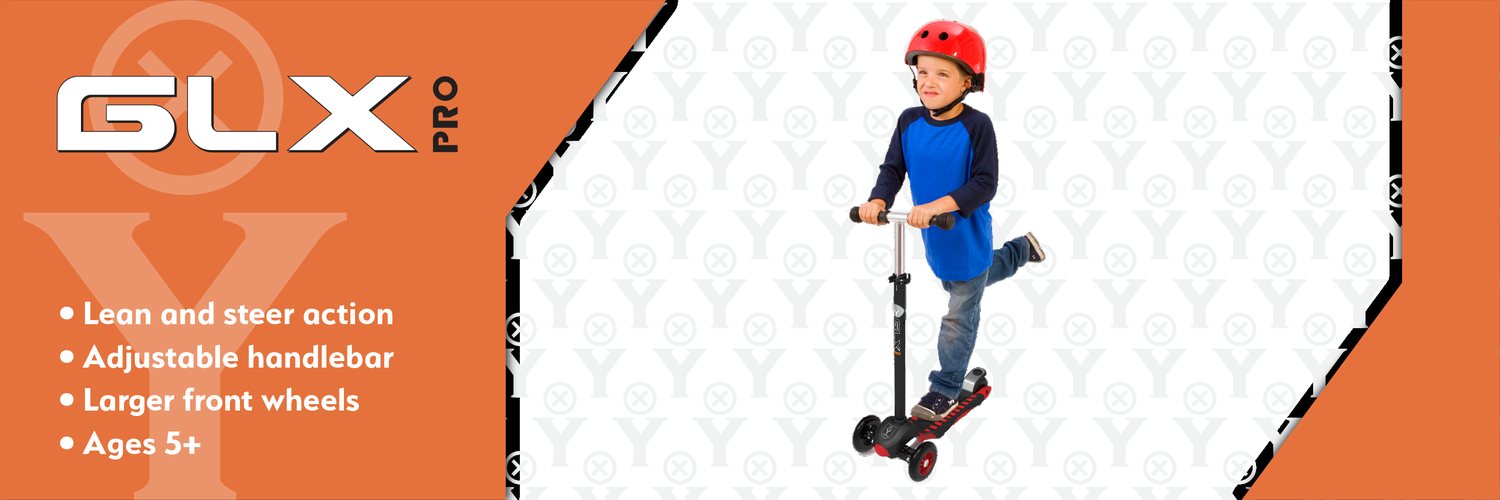
Level across the forehead, two fingers above the eyebrows, never tipped back. The side straps should form a V just under each ear, and the chin strap should be tight enough that opening the mouth wide pulls the helmet down. Then push the helmet from behind: if it slides forward over the eyes, the rear strap needs shortening.
A helmet that moves is a helmet that was not there when it mattered. Size by the measurement around the head rather than by the age printed on the box — the same mistake people make with a bike frame, and with the same result.
- Level across the forehead, two fingers above the eyebrows
- Side straps forming a V under each ear
- Chin strap snug — the helmet pulls down when the mouth opens wide
- Replace it after any real impact, and when the shell stops fitting
Making the helmet non-negotiable early
Start at the first ride, before there is anything to negotiate about. Riders who have worn a helmet since they were two do not argue about it at six, and the ones who argue hardest are always the ones who were allowed a few rides without.
Keep it on the same hook as the balance bike so the two objects become one object. This is the single most effective piece of safety advice we can give, and every pediatric expert we have ever read says the same thing in longer words.
Shoes, and why the sole is a brake
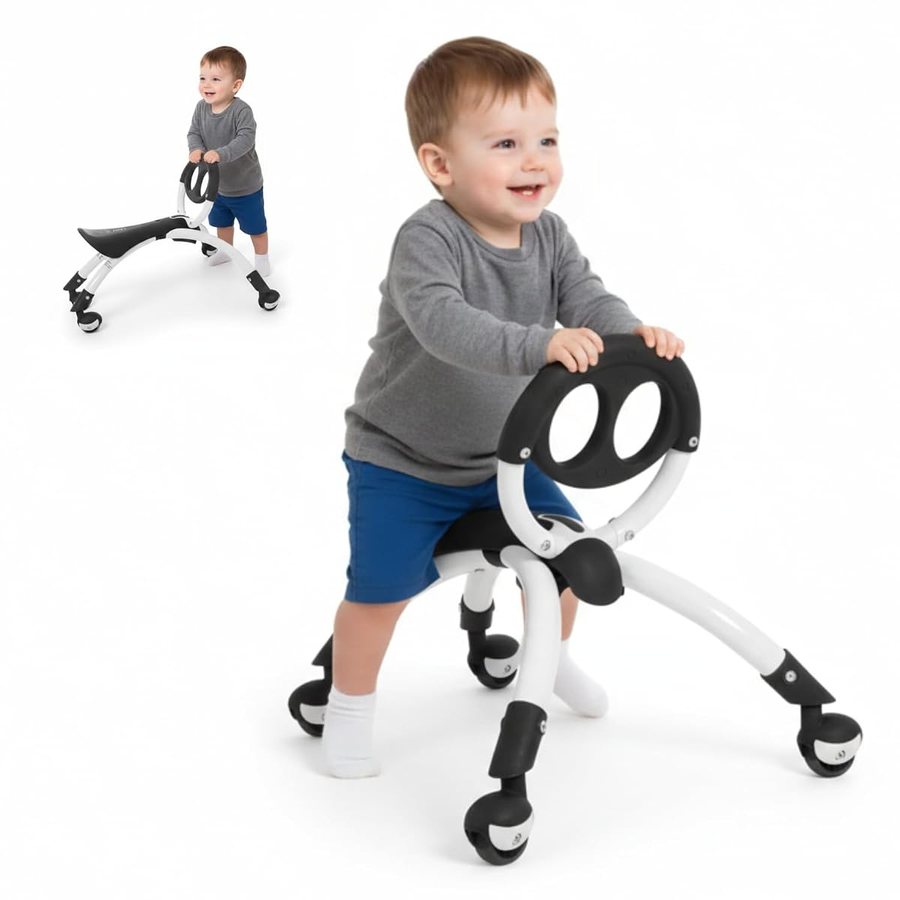
Closed toes and a flat, grippy sole. Sandals come off, rain boots slide, and foam clogs manage both. A kids balance bike is braked entirely with feet, so the sole is a brake pad and should be treated as one.
Check it occasionally. A toddler who rides every day will wear through the front of a pair of sneakers in a season, and a worn sole stops a bike much later than a fresh one. That is one reason a pedal bike eventually earns its brake — until then, look at the shoes.
Four rules worth having
Stop at the end of the drive. Feet down before the curb. Helmet on before the bike comes out. Hands off the frame when somebody else is carrying it. They work because they are few, physical and checkable.
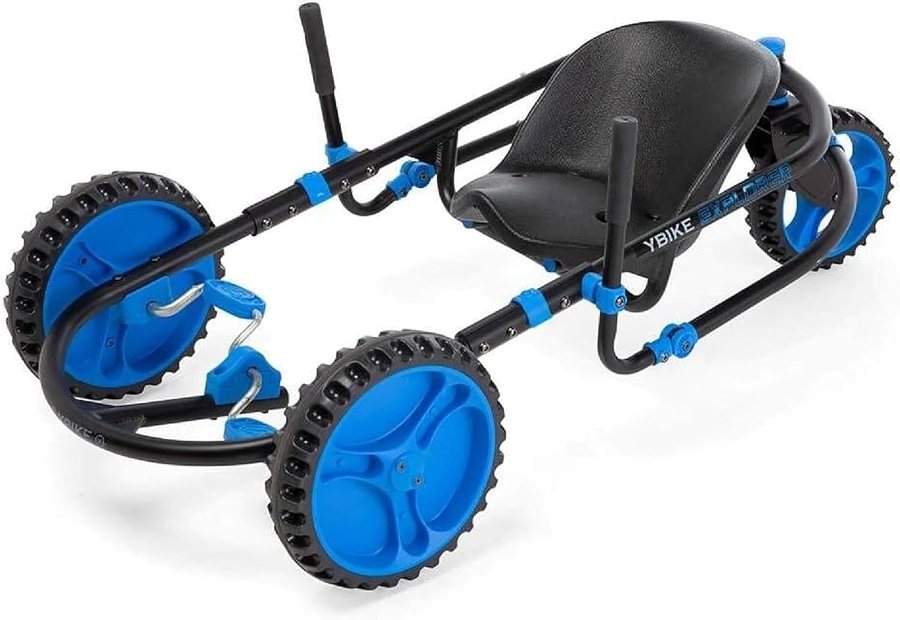
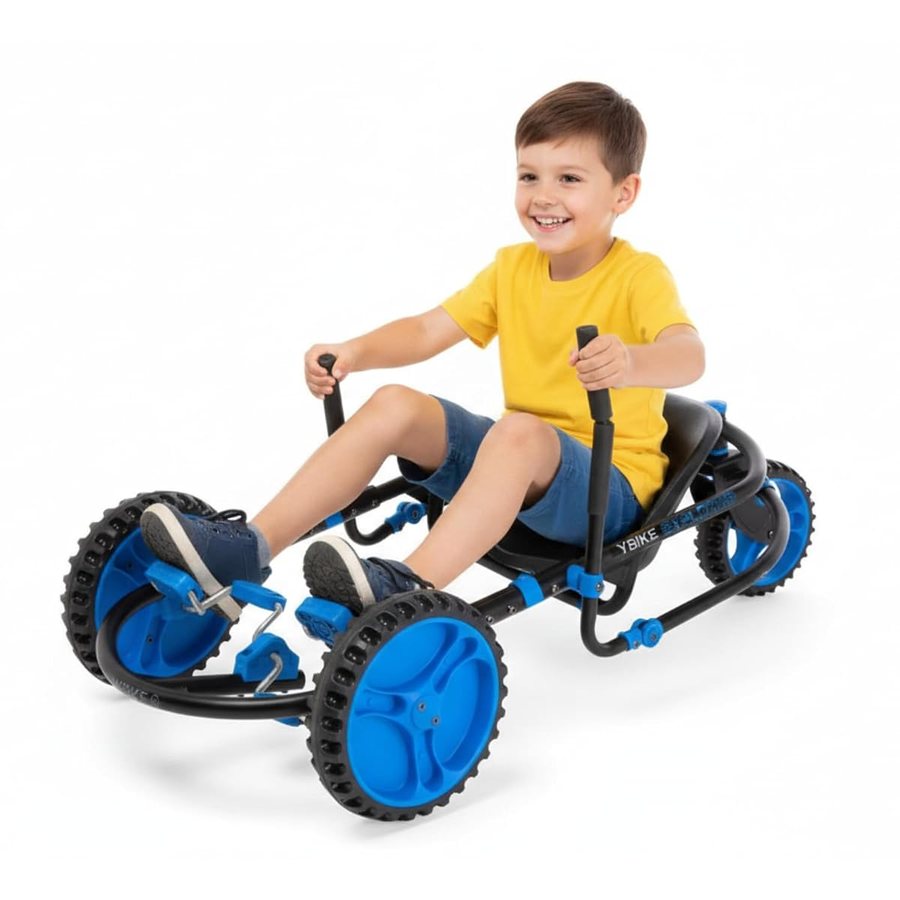
A rule that asks a toddler to judge speed or distance is a rule that will be broken honestly, which is why we keep ours to things a three-year-old can see. The same four cover a trike, a scooter and a pedal kart without changing a word.
- Helmet before the wheels leave the garage
- Stop at the end of the driveway, every time
- Feet down before the curb, no exceptions
- Never ride where cars are reversing, however quiet the street
Where to ride for the first month
Smooth and slightly downhill, with a flat run-out at the end. A quiet driveway, an empty parking lot on a Sunday, a long indoor hallway when it rains. Children need a surface that gives them a free roll, because the free roll is what teaches the glide.
Grass feels safer to adults and is worse for learning: it absorbs every push, so the rider never gets that roll. Come back to grass once the glide exists, when the extra effort turns into a game rather than a wall. Outdoors on tarmac first, grass later.
What this looks like as the rider grows
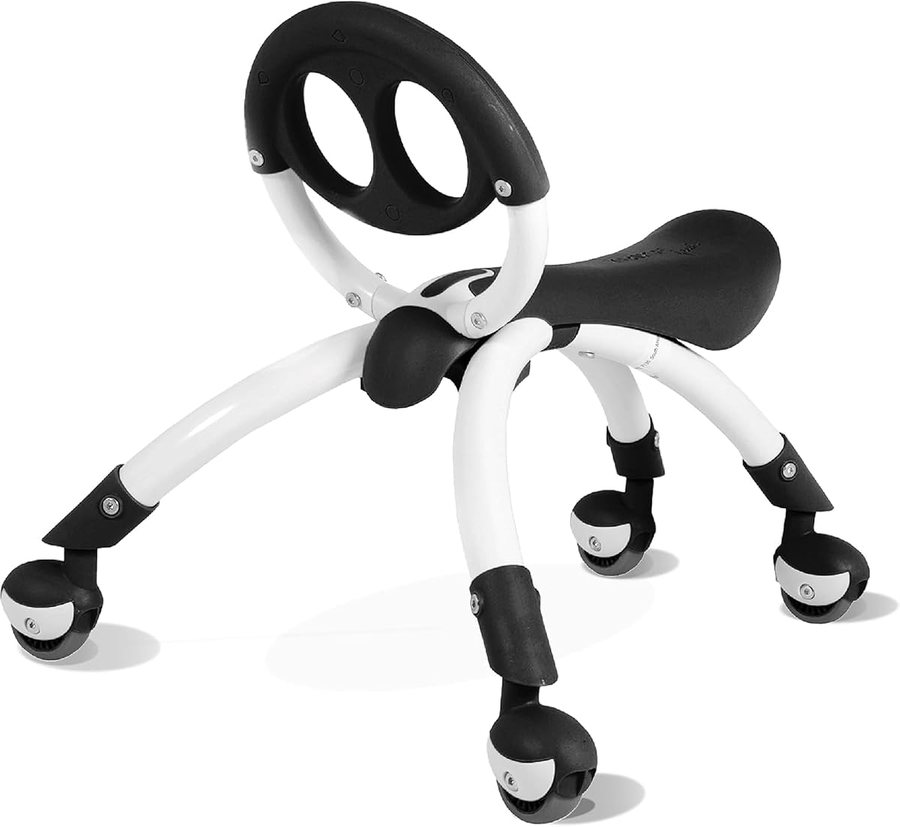
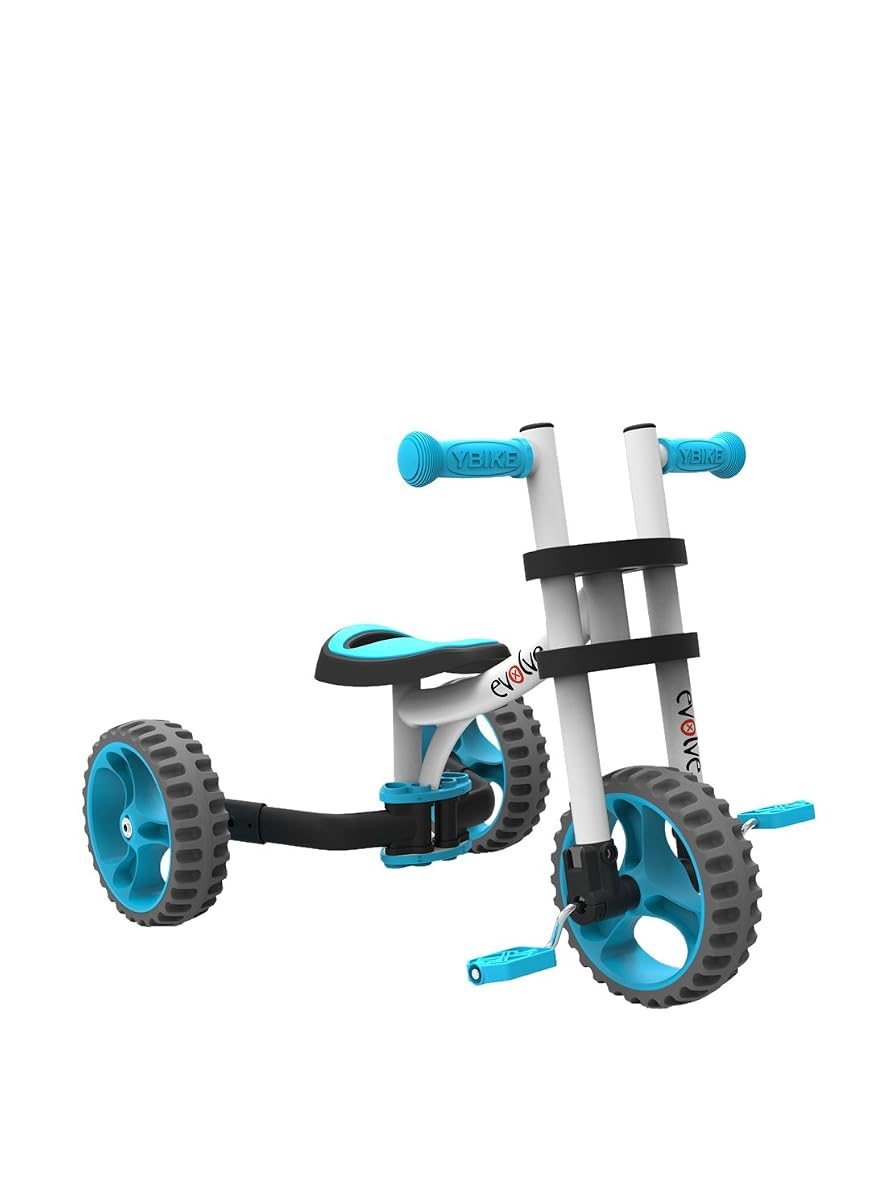
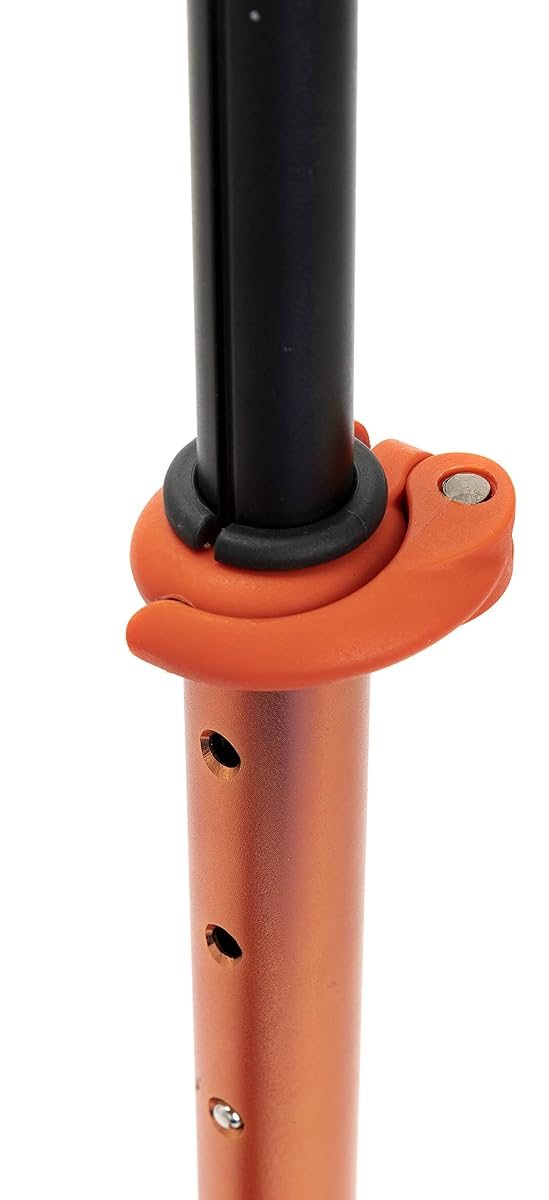
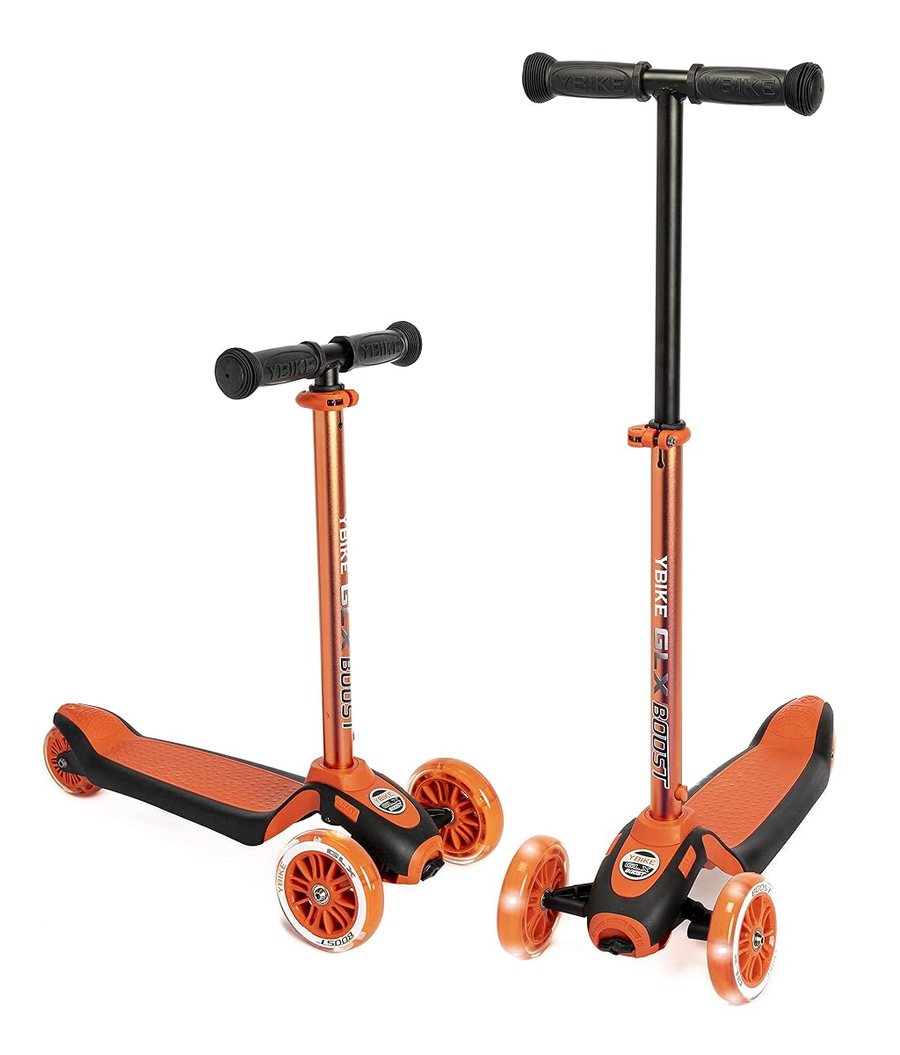
The kit list barely changes. A nine-year-old on a scooter wants the same helmet discipline as a two-year-old on a walking ride-on; the speeds are higher and the frames are bigger, but the rules do their work at any size. Adjustable handlebars and an adjustable seat mean the machine keeps fitting while the rider grows, which keeps the habits intact.
What does change is judgement, and that arrives slowly. Until it does, pick the surface for them, keep the loop short, and let them enjoy being fast somewhere nothing can go wrong. That is the entire method and it has never needed an update.