
YBike: the first bike a child steers on their own two feet
We make ride-on toys that teach balance before they teach pedaling — a walking buddy at nine months, a toddler balance bike at two, a scooter at five, a pedal car at seven. One lineup, one long driveway, every first in order.
17 rides5 stagesFrom $35.99
A balance bike has no pedals, no chain and no training wheels. A child sits on the seat, pushes off the ground with their feet and lets the bike roll. That single change is the whole idea: instead of learning to pedal first and balance later, kids learn balance first and add pedals when their legs are ready. Riders who start this way almost never need training wheels at all.
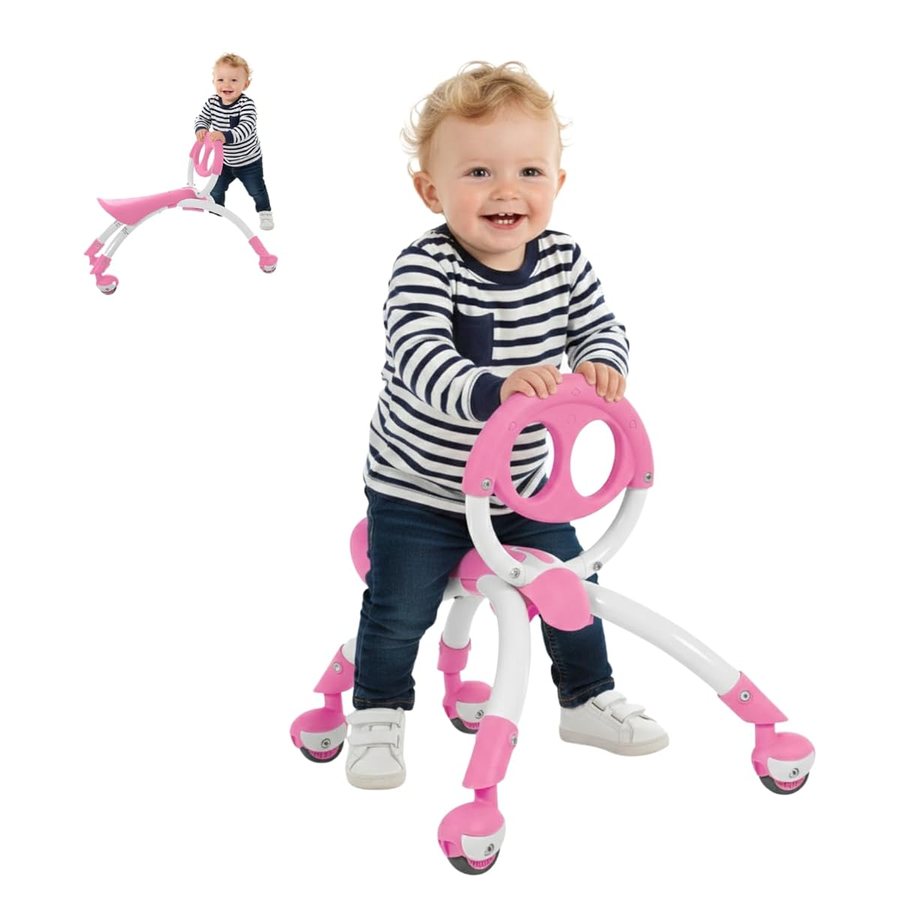
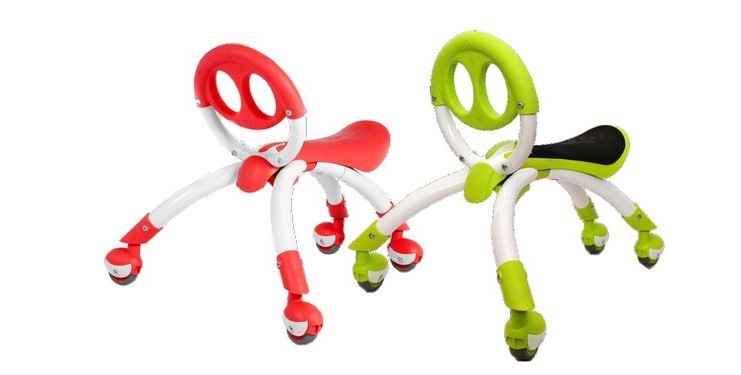
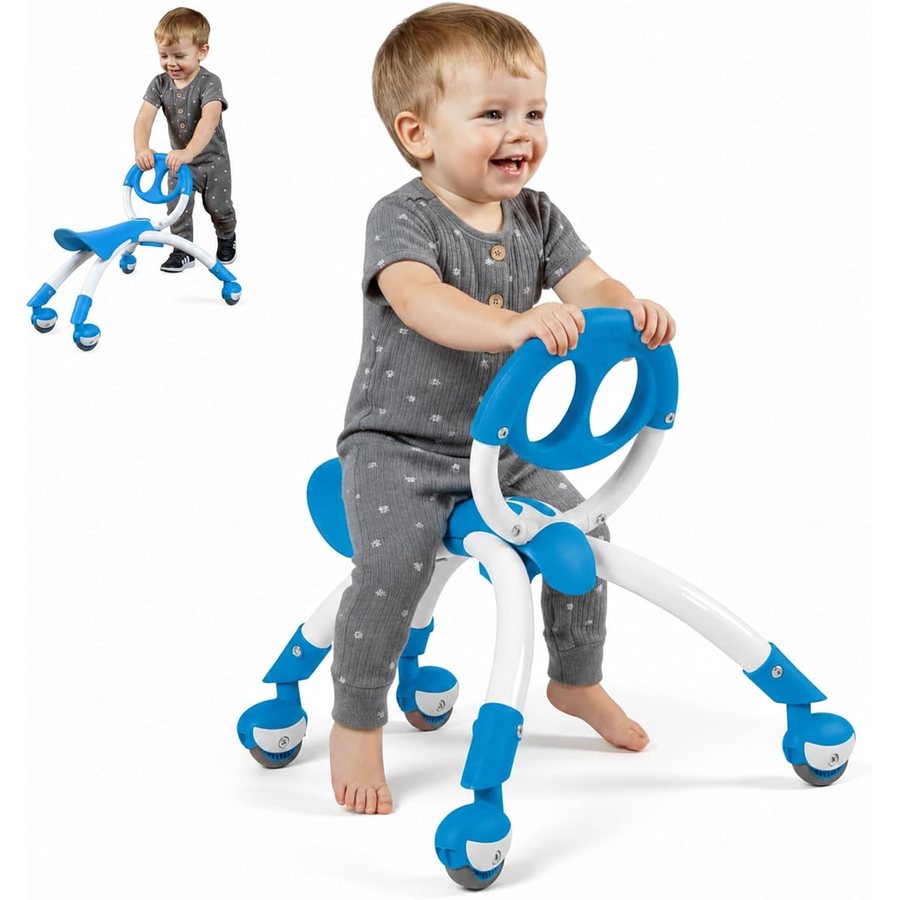
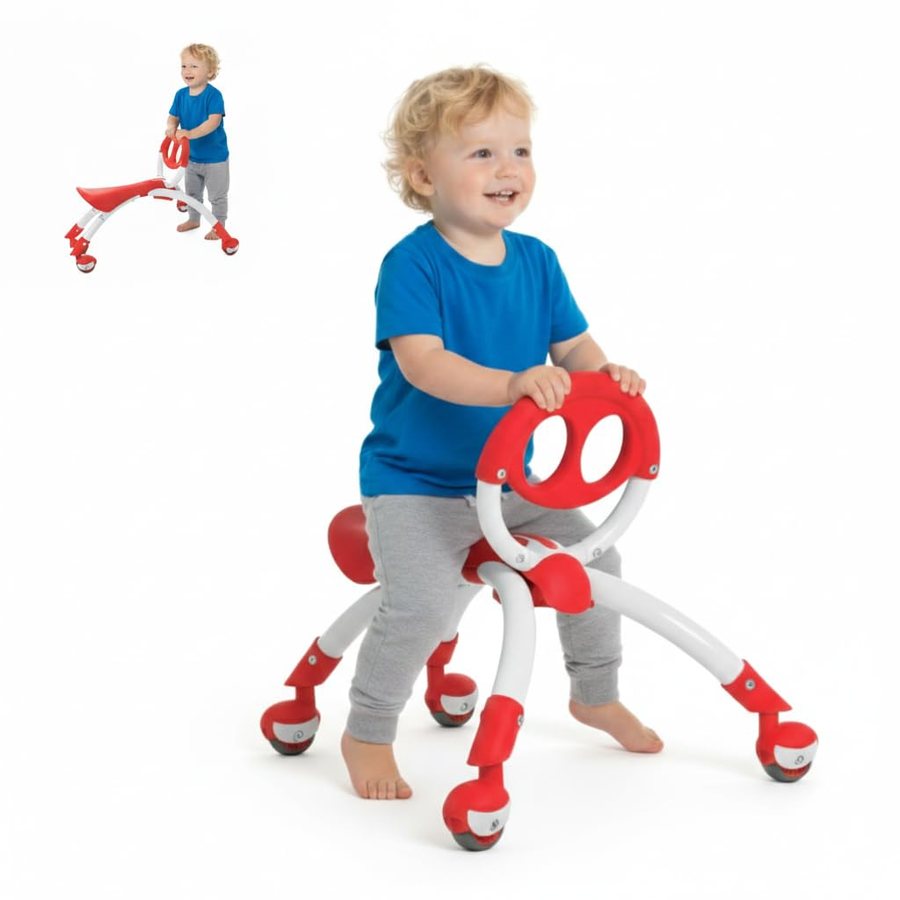
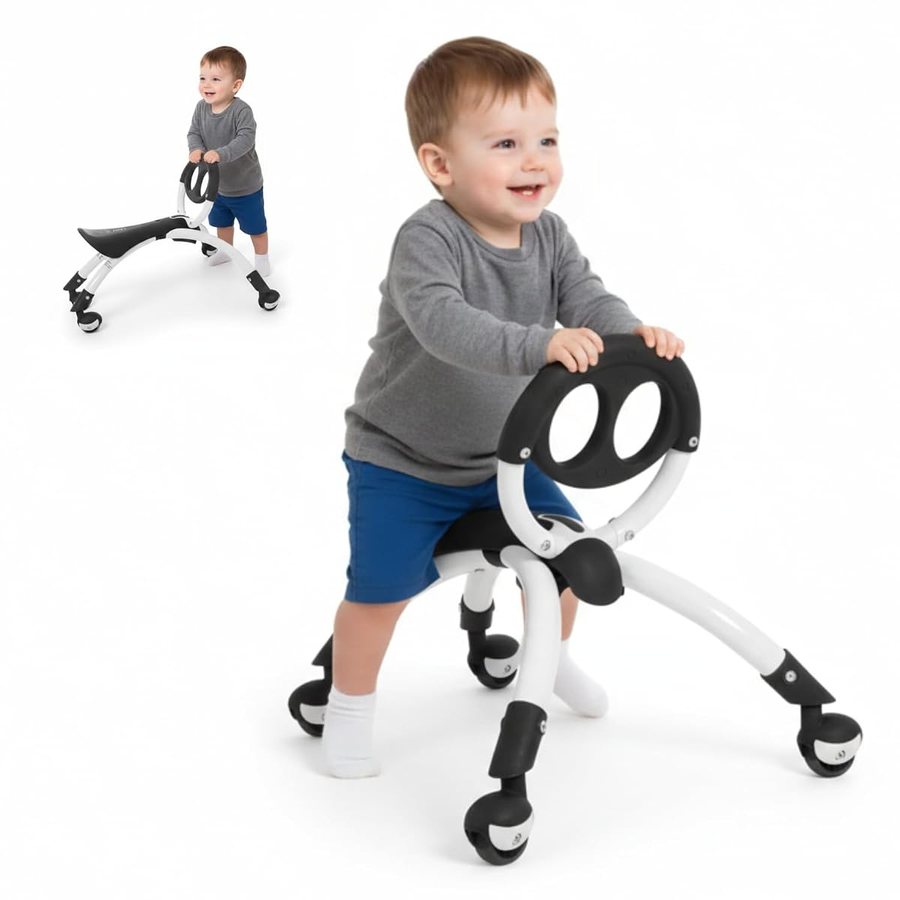
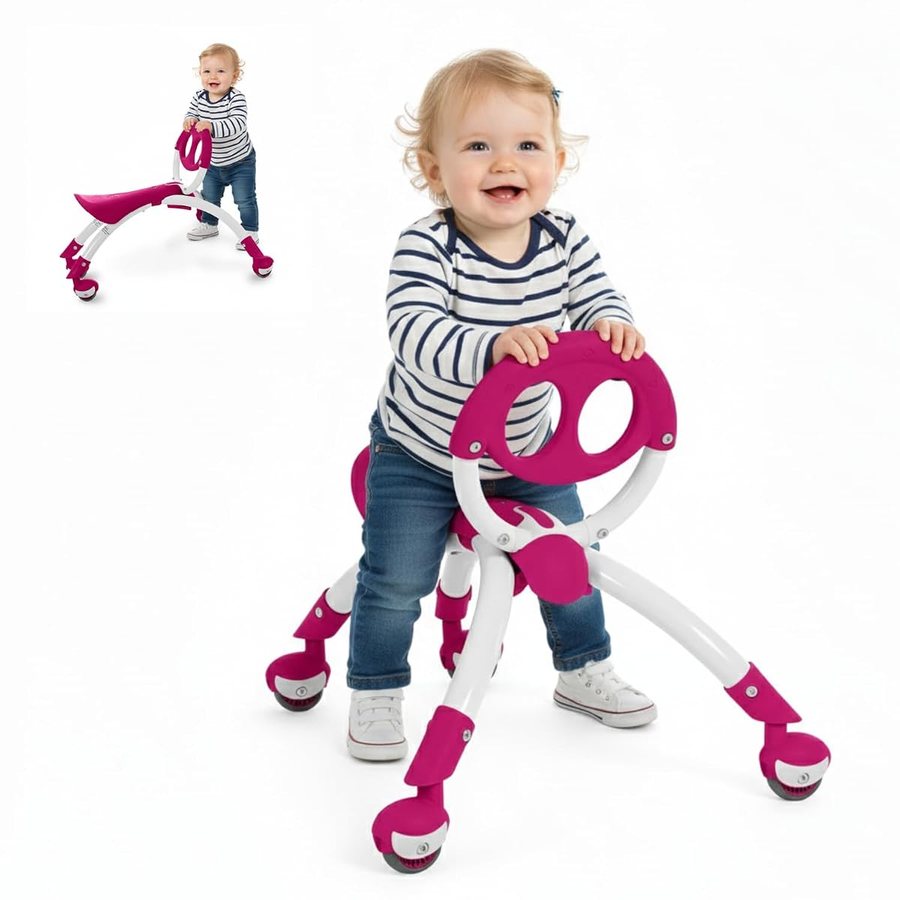
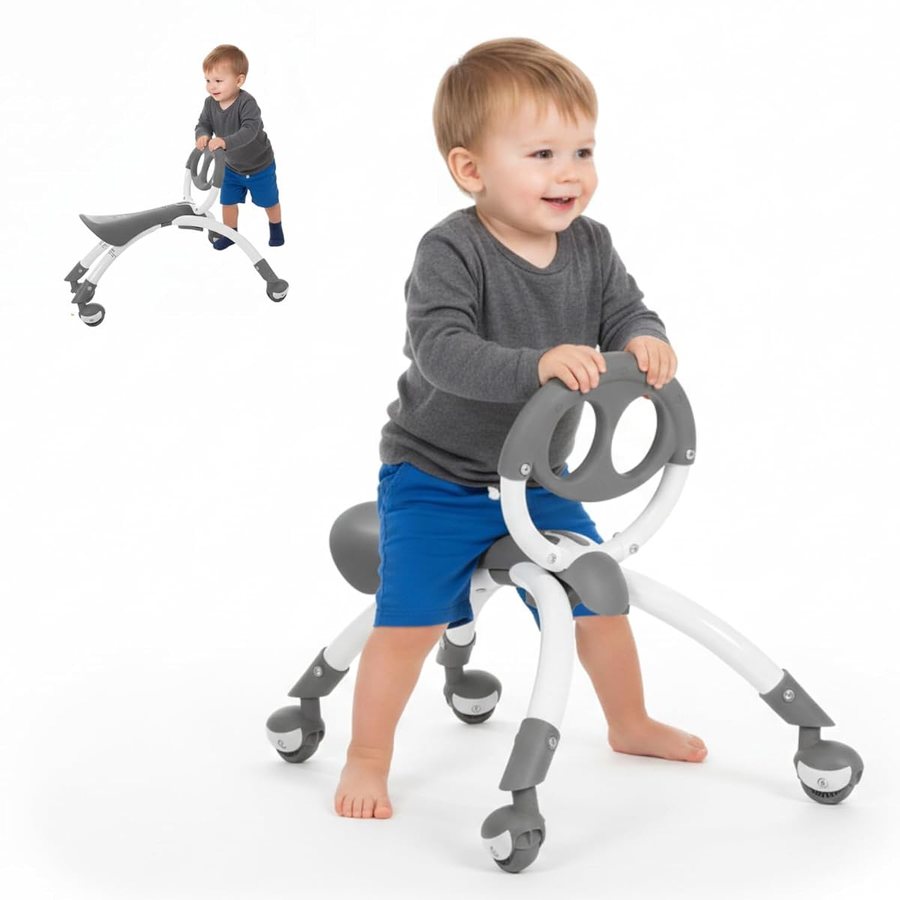
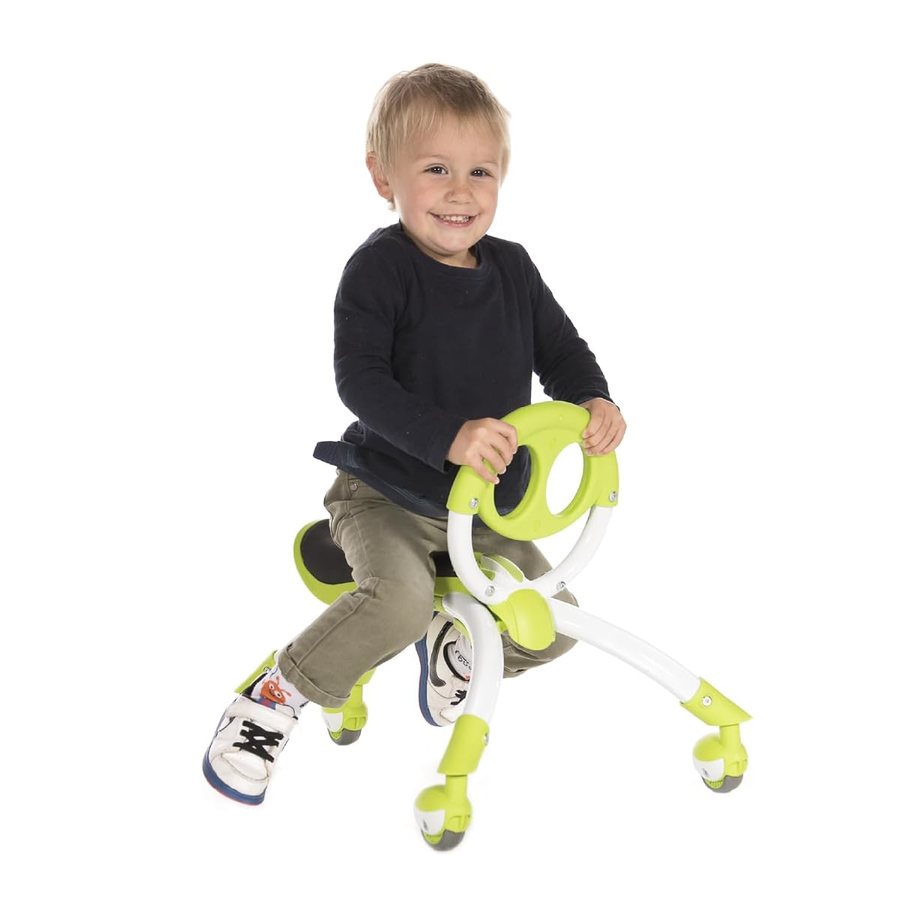
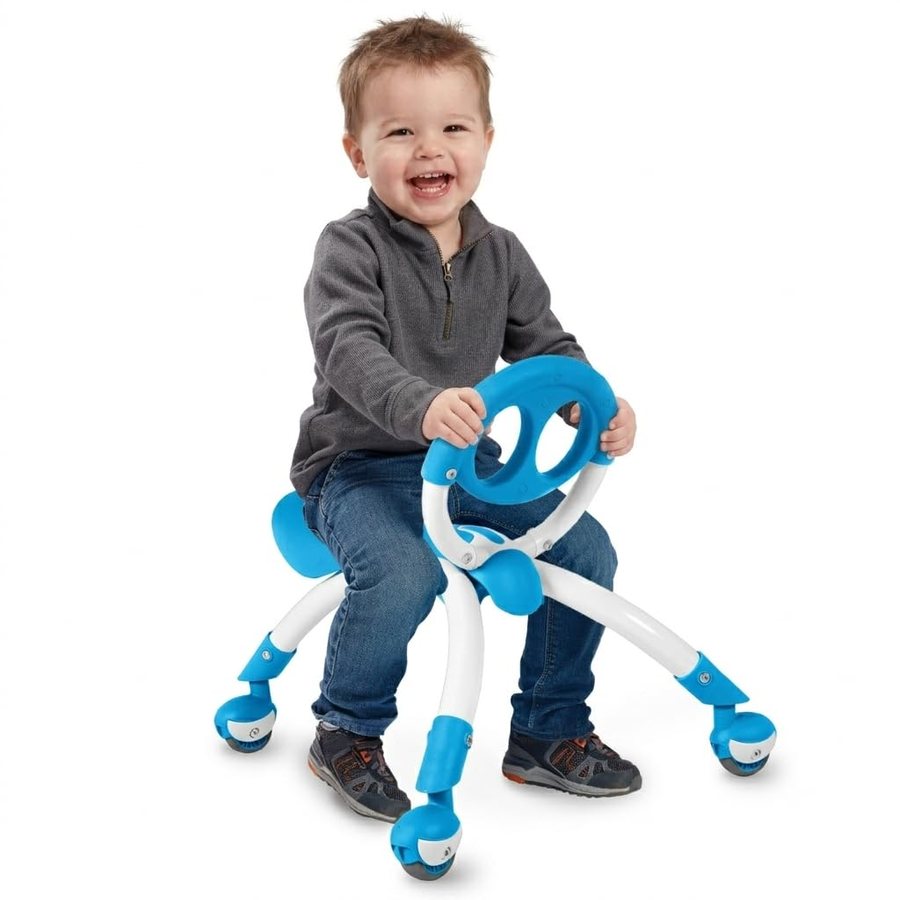
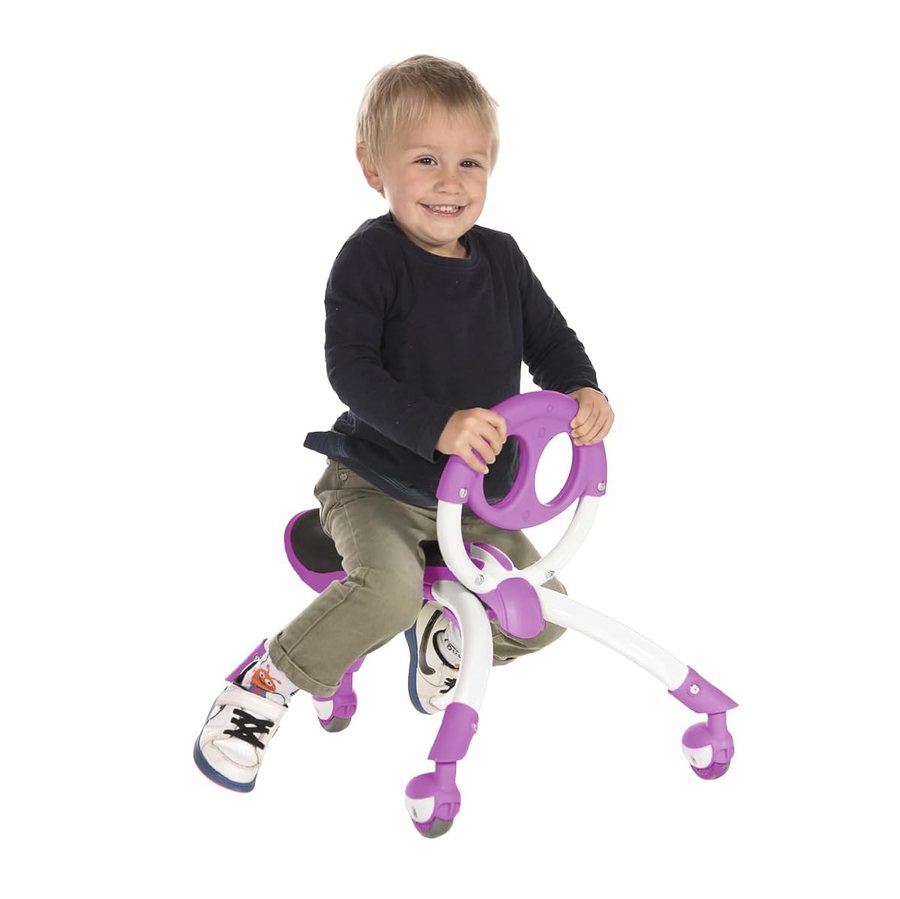
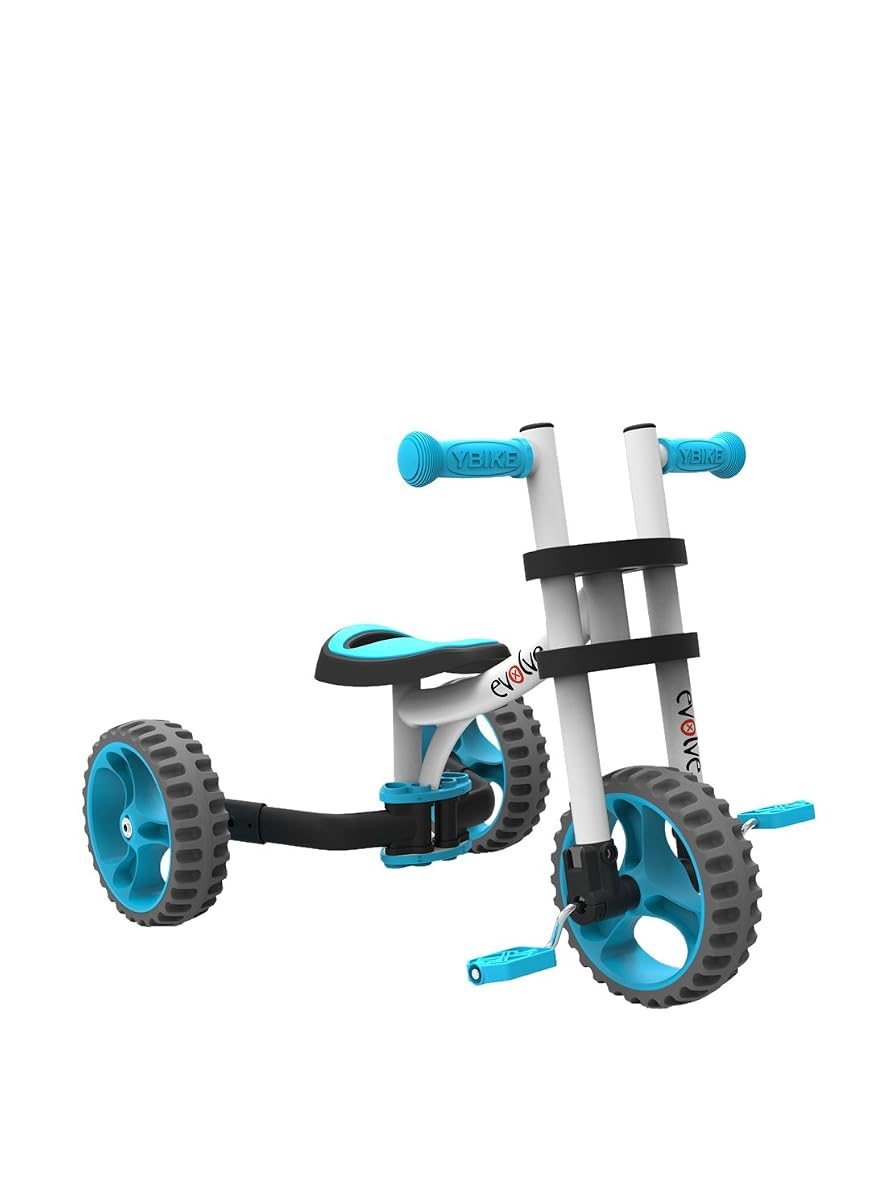
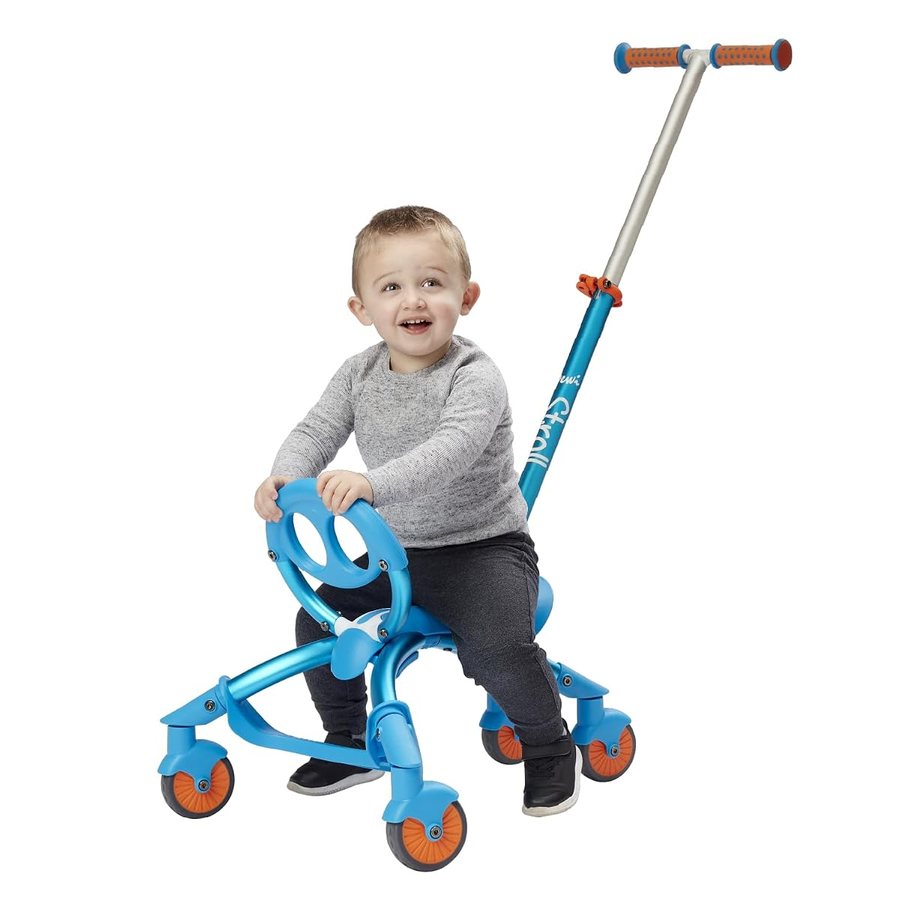
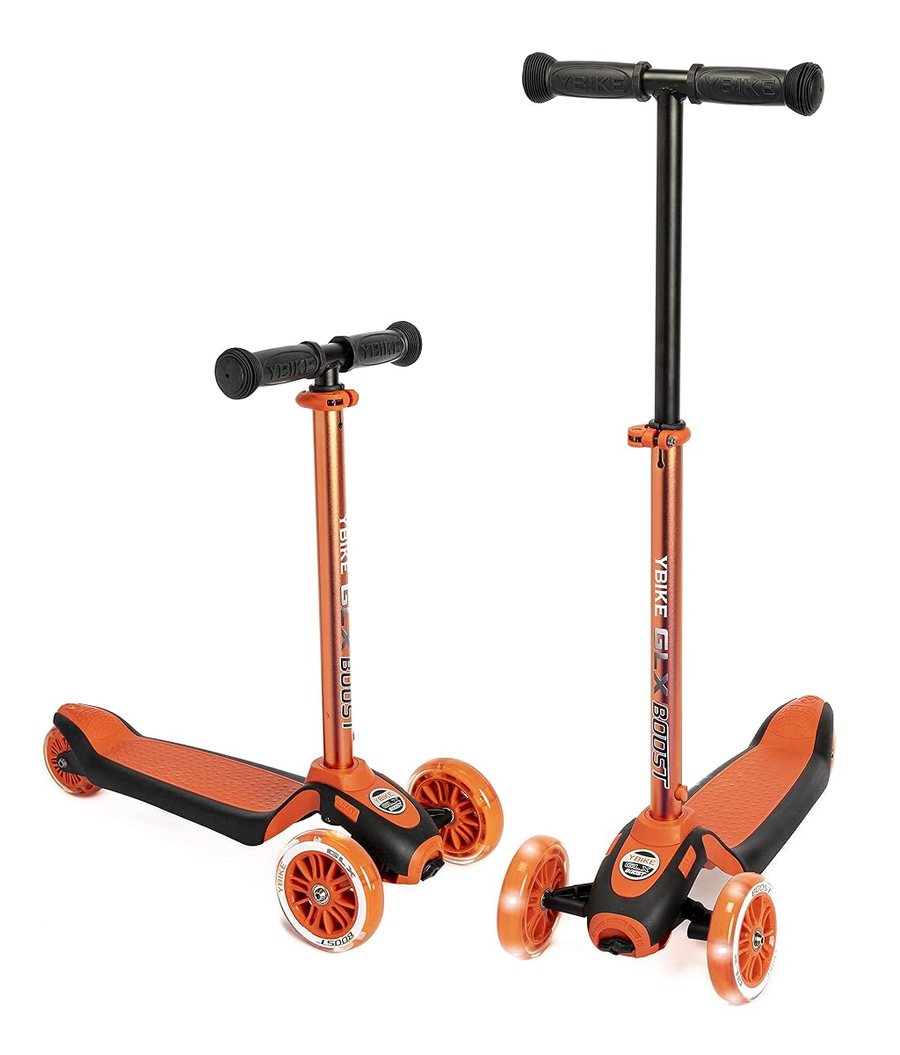
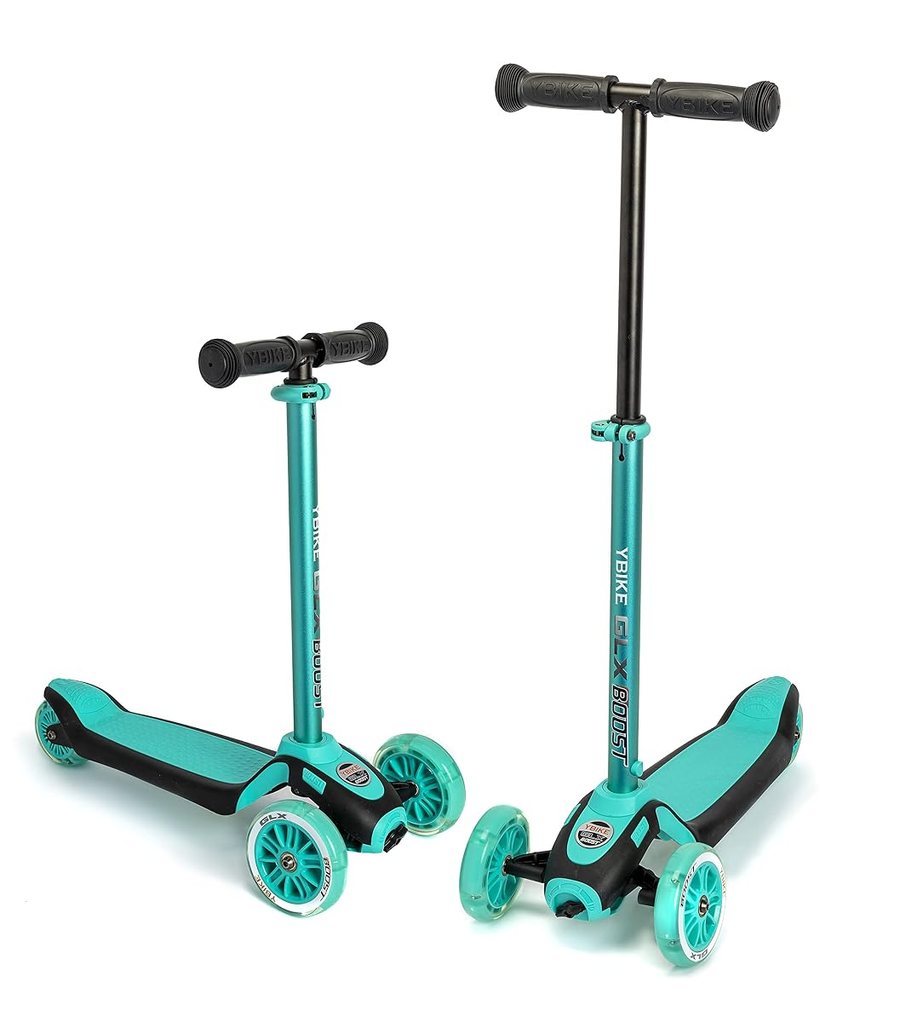
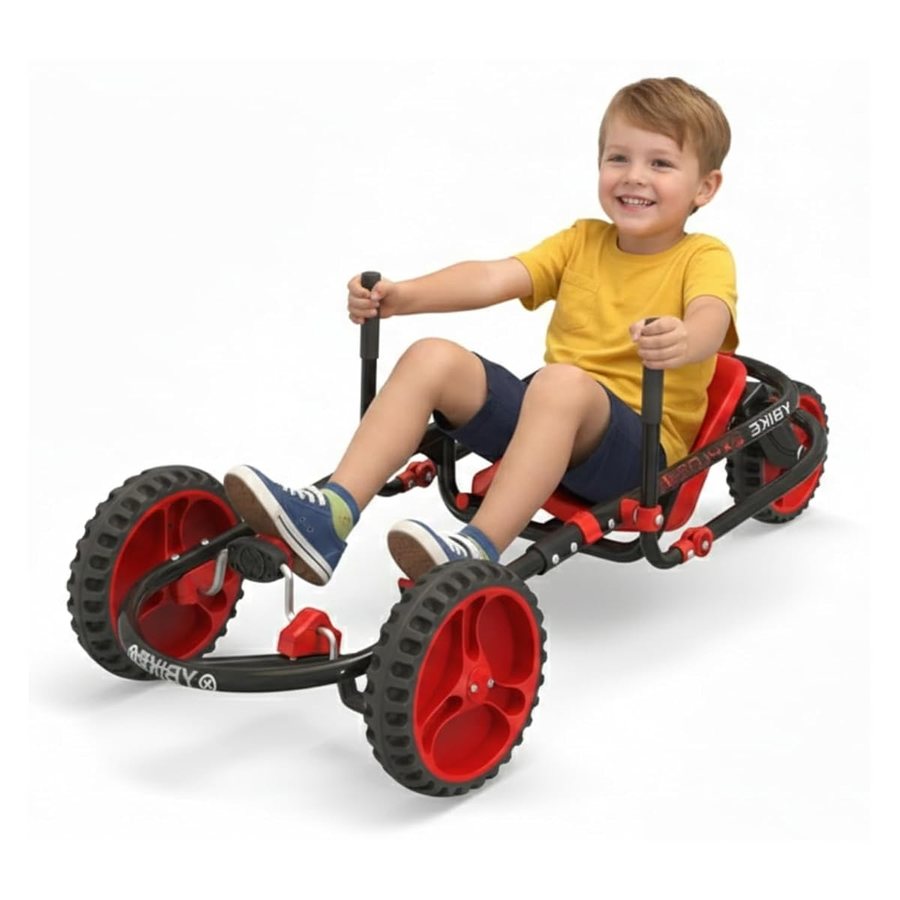
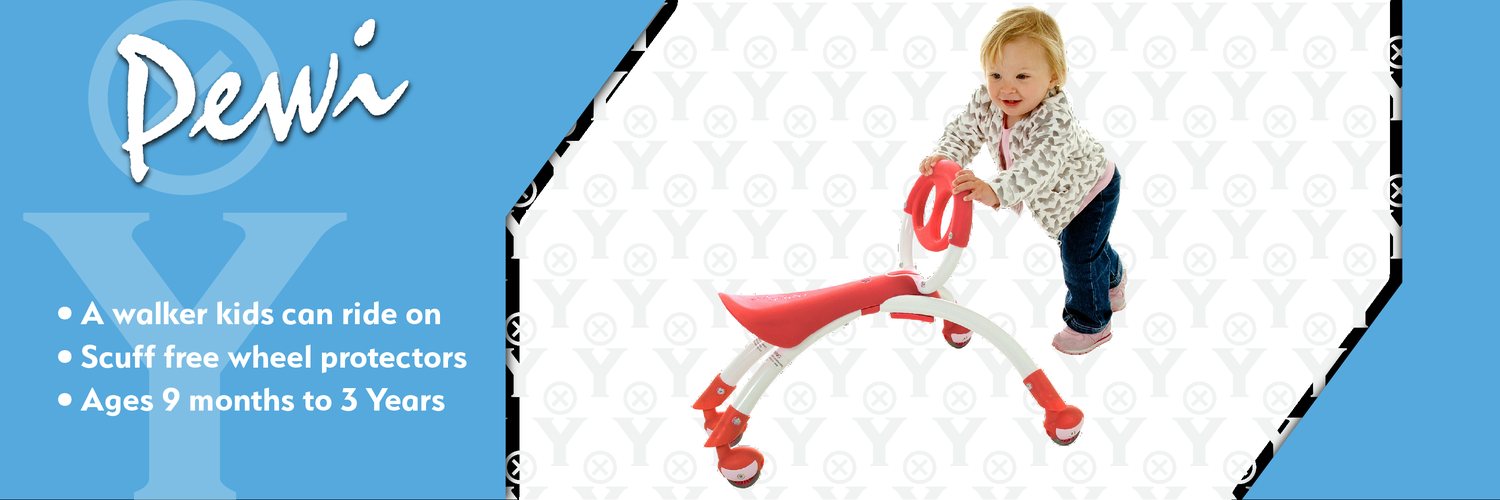
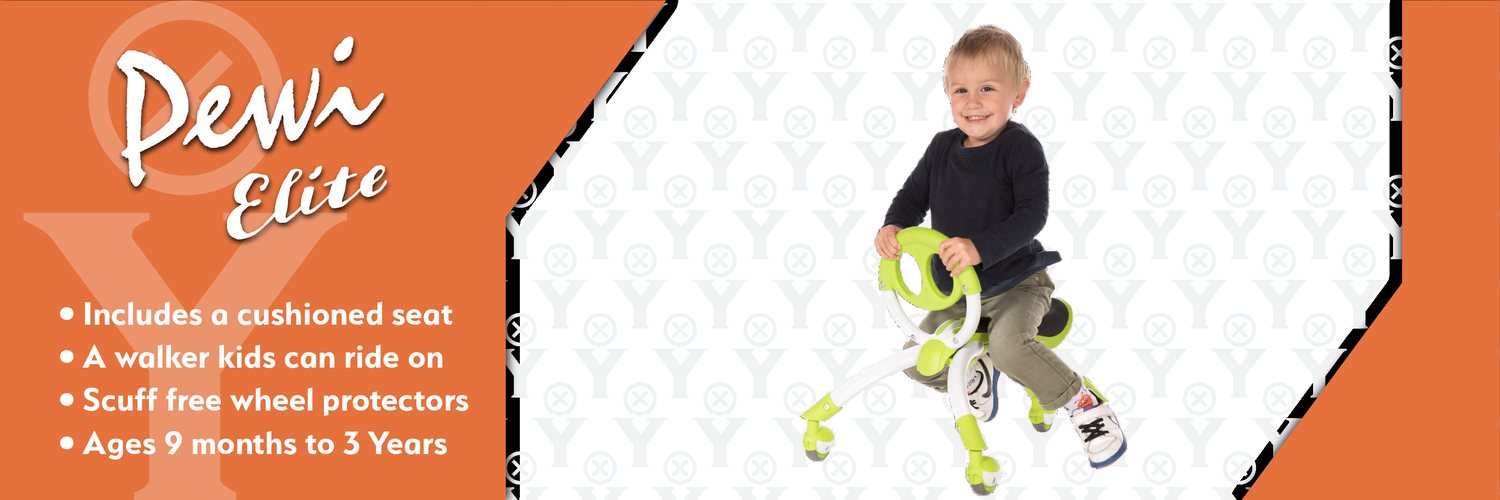
We started with the Pewi, a four-wheeled walking buddy for toddlers who are still deciding whether standing up is worth the trouble. It weighs less than a gallon of milk, the aluminum frame carries up to forty-four pounds, and it works indoors on carpet as happily as it works outdoors on a driveway. From there the lineup grows with the child: a protected-wheel Elite, a Stroll with a parent push handle, a 2-in-1 Evolve that turns from trike to balance bike, a GLX Boost scooter that leans to steer, and an Explorer pedal car with an adjustable frame and seat.
Everything we build is meant to be moved by a child, not carried by an adult. Light frames, low stand-over heights, a seat that can be set for the rider in front of you today and the one who inherits it in two years. We would rather make one durable bike that fits a kid for three seasons than three bikes that each fit for one.
Five stages, in order
Five stages, in the order children actually go through them. Pick the one that matches the rider you have right now, not the one you are hoping for by summer.
The First Stand
Four wheels under a seat, a handle at chest height, and a child who has just worked out that standing up is only half the trick.
6 rides →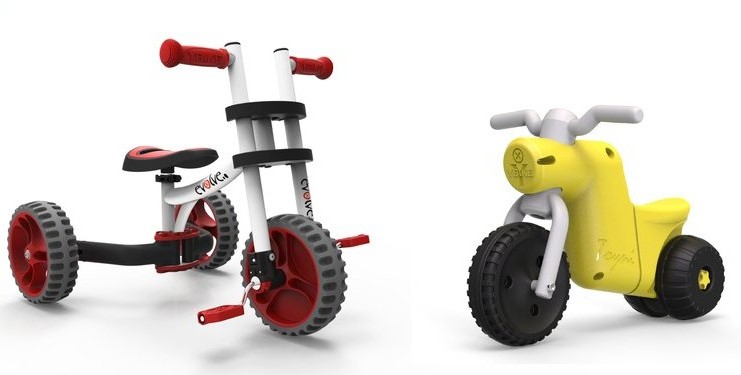
The First Lean
The moment a rider stops holding the handle for balance and starts leaning into the turn instead.
4 rides →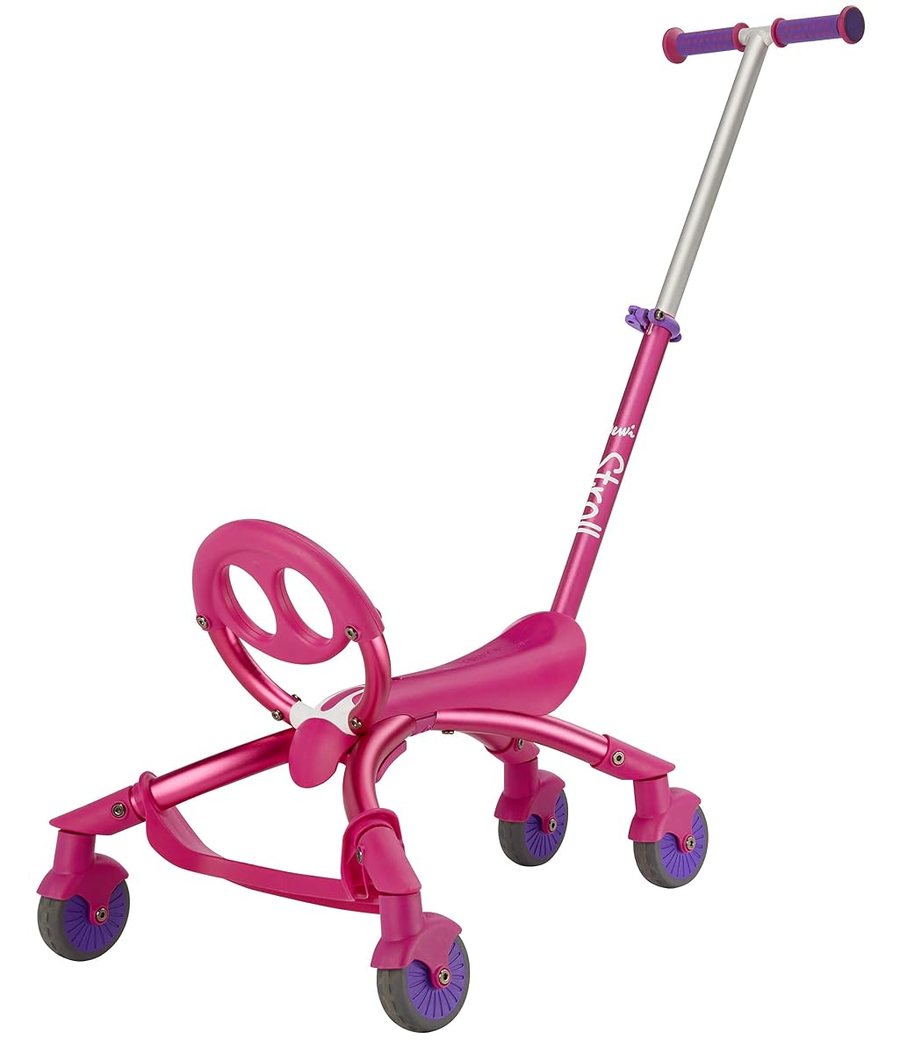
The First Walk Out
A push handle turns the driveway into the sidewalk, the park and the whole long way home.
2 rides →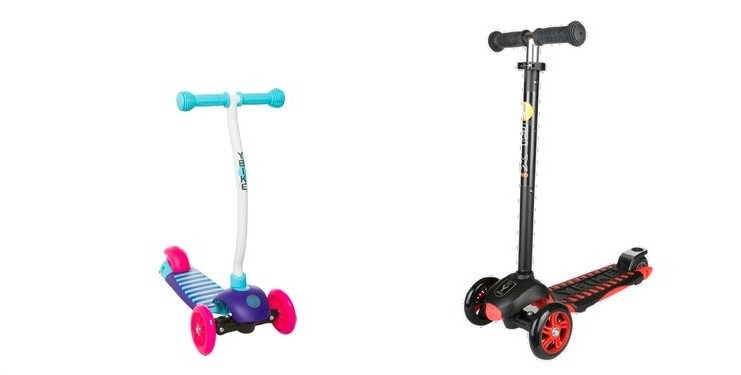
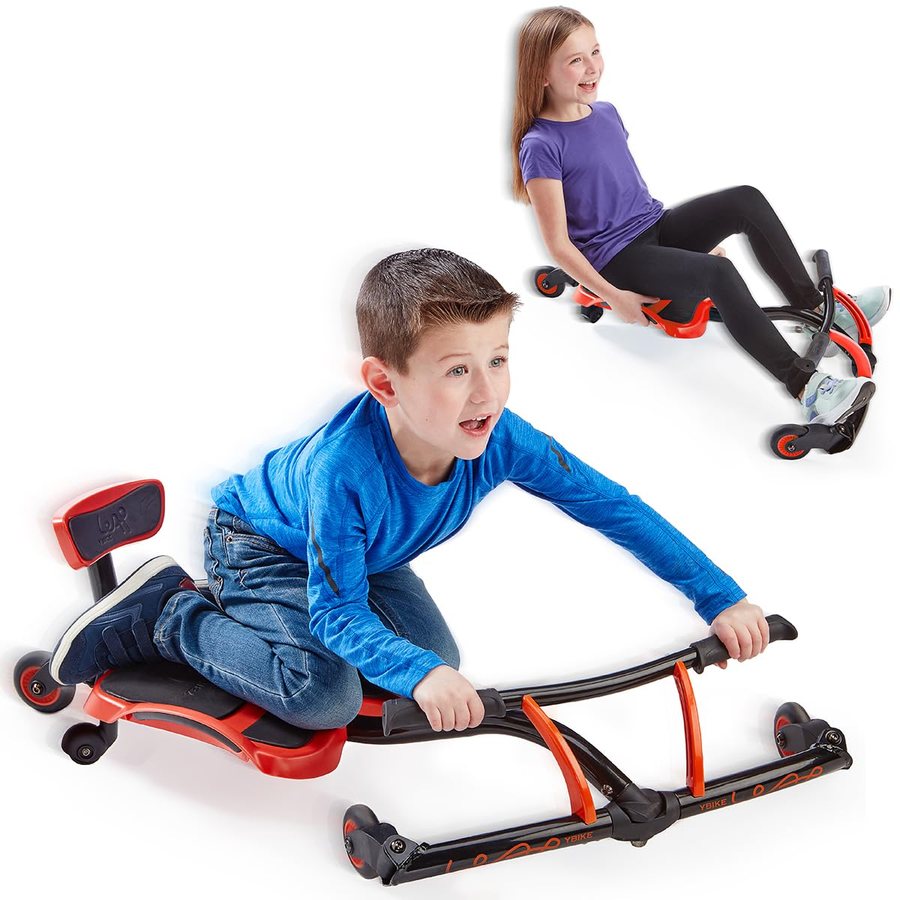
The First Kick
One foot down, one foot up, and a deck that leans wherever the shoulders go.
2 rides →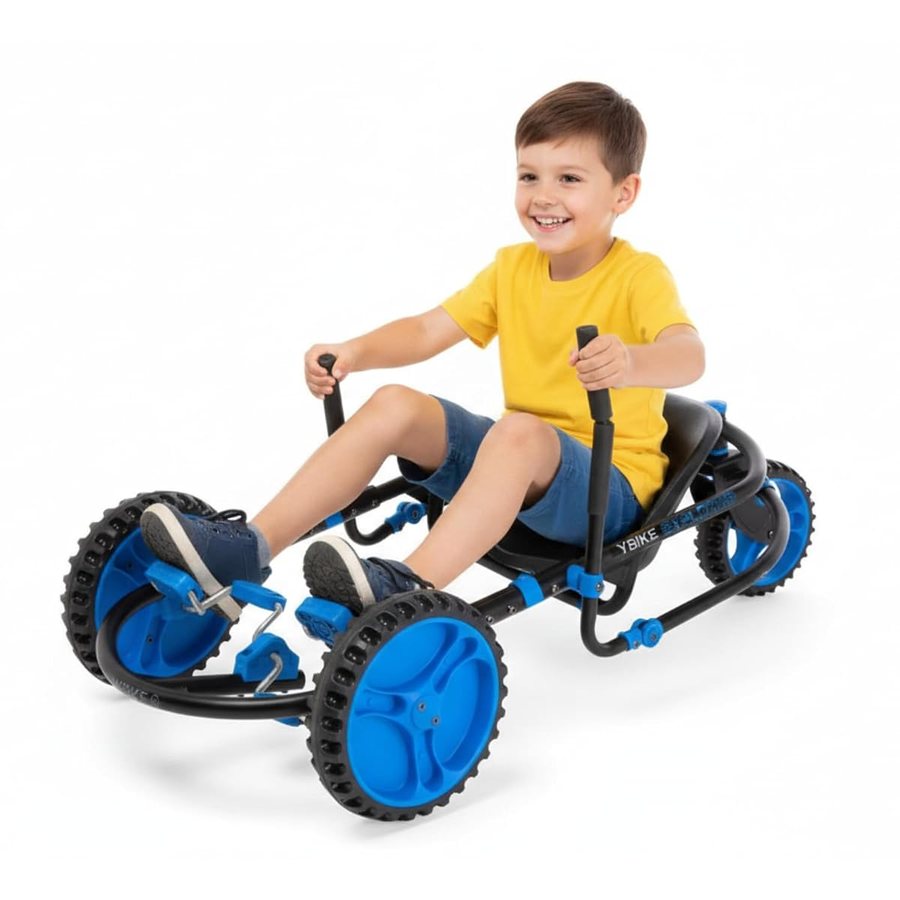
The First Lap
Pedals, a steering handle and a flat stretch of driveway to run it on, over and over.
3 rides →The whole lineup
Every ride-on toy we make, newest frames first, with the live rating and price on each.
Balance first, pedals later
The hardest part of riding a bicycle was never the pedaling. It is staying upright while the bike moves, correcting a wobble before it becomes a fall, and trusting that leaning into a turn is safer than fighting it. Training wheels teach none of that — they teach a child to ride a tricycle that happens to be shaped like a bike, and then take the lesson away on the day they come off. A balance bike teaches the hard part first, at walking speed, with both feet a few inches from the ground. When the time comes to transition to a pedal bike, most riders need an afternoon rather than a summer.
A frame that keeps up
Children grow in jumps, not in a straight line. Our seats and handlebars adjust, the aluminum frames are light enough that a three-year-old can pick the bike up off its side without help, and the parts that scuff — wheels, grips, footrests — are the parts we over-build. A ride-on toy that spends its life being dropped on a driveway needs to be durable in the places that actually hit the ground. That is why we test the handle, the seat mount and the wheel protectors harder than anything else.
What we build for
Light aluminum frames
Most of the lineup weighs less than the toddler riding it, so the bike gets picked up instead of abandoned.
Seats that adjust
One frame covers two or three seasons, and the next child in the family inherits it rather than a new box.
Built for the driveway
Wheels, grips and footrests are the parts that hit the ground, so those are the parts we over-build.
Indoors or out
Protected wheels on the walking ride-ons mean a wet afternoon does not have to end the ride.

What families tell us
Six reviews, reproduced as they were written by the people who bought the ride.
WORTH IT!!!
“I never leave reviews unless I absolutely feel a need to and I absolutely want to say....THIS bike is perfect for our 12 month old who is not walking yet!!! Wide seat, low to the ground, and goes over so many different types of floor with extreme ease! The wheels are super quiet as well! It's also helping our son get his feet to lay flat when he's riding it! I was able to put this bike together in 10 minutes. It was a little weird with the screws not being labeled properly and having different sizes, but I was still able to put it together and make sure it's secure! Extremely durable! (We…”
Breanna Richards — 5 out of 5Your cute grandchild will love this Y-bike!
“This is the 3rd Y-bike my husband and I have purchased for our grandbabies after watching our neighbors 2yo scoot around like she owned the place. It’s fun, they have great colors, it’s durable and very strong, and well made. I’m very happy with the quality. It’s quiet, and moves without fail. Great for helping little ones walk, then a fun bike they can ride as their coordination gets better. I will make sure each of our 7 children have one in their homes for their little lovelies!”
Breanne — 5 out of 5Happiness on wheels
“Bought this for my 3 y/o grandson. He LOVES it!! He has a sensory disorder and doesn’t like to Touch Bar handles, but he loves circles. So he holds on with no problem. He doesn’t have to steer because the wheels do the steering. They are very large wheels that move very easily. Very impressed with this ride. I just wish it had an adjustable seat.”
Saul G Villanueva — 5 out of 5Fun ride!
“Very well made and lots of fun! Bought this for a grandson because his cousin had one. He was beyond excited!!”
Rhonda Lamb — 5 out of 5Quality Scooter
“The bike scooter is a great scooter and quality plus not like the cheaper ones . The kids like them and I'm sure they will last many years to come”
Karen Michaelson — 5 out of 5Perfect for grandsons 3-6 years old
“My grandsons love this. It has become everyone’s favorite ride on toy”
angie kerns — 5 out of 5Choosing a kids balance bike: age, size and what actually matters
Most children are ready for a toddler balance bike somewhere between eighteen months and three years, but age is the weakest signal you have. Inseam is the useful one. Stand your child against a wall in the shoes they will ride in, measure from the floor to the crotch, and look for a seat that can be set an inch or so below that number. A rider who can plant both feet flat will push off confidently; a rider on tiptoe will shuffle, get frustrated and ask to go inside.
Weight is the second thing to consider. A good rule among experts is that the bike should come in under a third of the rider's body weight. An aluminum frame makes that easy at the toddler end of the range, and it matters more than it sounds: a child who cannot lift their own bike back up after a tumble will wait for an adult every single time, and waiting is where the fun leaks out.
Then look at the seat. An adjustable seat is the difference between one season and three. Our walking ride-ons start low enough for a nine-month-old who is still cruising along the furniture, and the balance bikes in the middle of the lineup carry riders well past their third birthday. Wheels come next — bigger wheels roll over driveway cracks and grass, smaller wheels turn tighter indoors, and protected wheels keep floorboards and skirting boards intact. If the bike will live inside for its first winter, that last detail is worth more than any spec sheet.
Finally, think about where the ride goes after this one. Some children move from a balance bike straight to a pedal bike. Others want a scooter, where the same lean-to-steer instinct carries over almost perfectly, or a pedal car, where steering and pedaling are learned separately instead of all at once. We build all three because children do not arrive at the same milestone in the same order, and a lineup that only sells one shape forces a choice that the rider has not made yet.
Whatever you pick, two extras do more for safety than anything on the frame: a helmet that sits level and snug, and closed shoes with a flat sole. Everything else — gloves, knee pads, a bell that will be rung four hundred times before lunch — is for the rider to decide.
Questions parents ask us
What is a balance bike, and how does it work?
A balance bike is a small bicycle without pedals, chain or training wheels. The child sits on the seat and walks, then runs, then glides with both feet up. Because there are no pedals in the way, they learn steering and balance as one skill instead of two, and they can put a foot down the instant anything feels wrong.
At what age do kids start using a balance bike?
Our walking ride-ons start at around nine months, when a toddler is pulling themselves upright on furniture. True balance bikes suit most children from about eighteen months to five years. The number that matters is not the birthday but the inseam: if both feet sit flat on the ground with a slight bend at the knee, the bike fits.
Should I get my 3-year-old a balance bike?
Yes, and three is close to the sweet spot. A three-year-old usually has the leg strength to push off properly and the attention span to keep going past the first fall. Expect a week of walking the bike, a week of long strides, and then the glide arrives on its own with no instruction from you at all.
Should I choose a balance bike or training wheels?
Training wheels keep a bicycle upright for the child, which means the child never practices staying upright. A balance bike does the opposite. Riders who learn this way typically skip training wheels entirely and transition to a pedal bike in an afternoon rather than over a summer.
Does my child need a helmet with a balance bike?
Yes. Speeds are low, but driveways are not soft and a helmet habit started at two is a helmet habit for life. Fit it level across the forehead, two fingers above the eyebrows, with the straps forming a V just under the ears.
Do balance bikes work on all surfaces?
Smooth surfaces first — indoor floors, a driveway, a flat path. Grass and gravel take far more effort to push through and tend to end a first session early. Once a rider can glide for several seconds, grass becomes a feature rather than an obstacle, and that is usually the week they start asking for a hill.
Can balance bikes grow with my child?
Within reason. An adjustable seat buys you two or three seasons, and our frames are built to survive being handed down. Beyond that, a rider who has outgrown the stand-over height is telling you it is time for a scooter or a pedal bike, not time for a taller seat post.
What age should a child stop using a balance bike?
When their knees hit the handlebar, or when gliding has become boring. Most riders reach that point somewhere between four and six. The next step is not always a pedal bike — plenty of children move sideways to a scooter or a pedal car first and come back to two wheels a year later, faster than their friends.